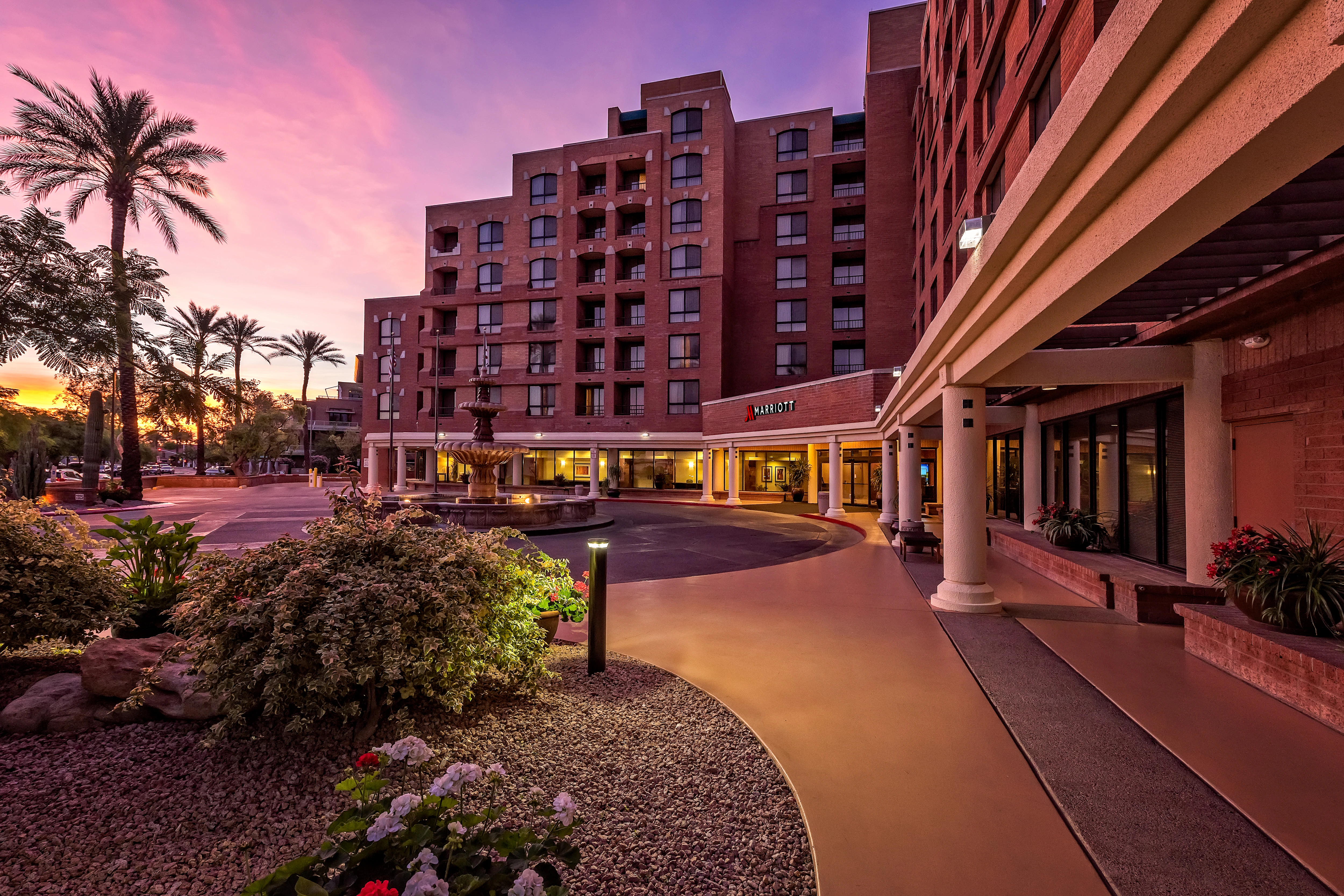
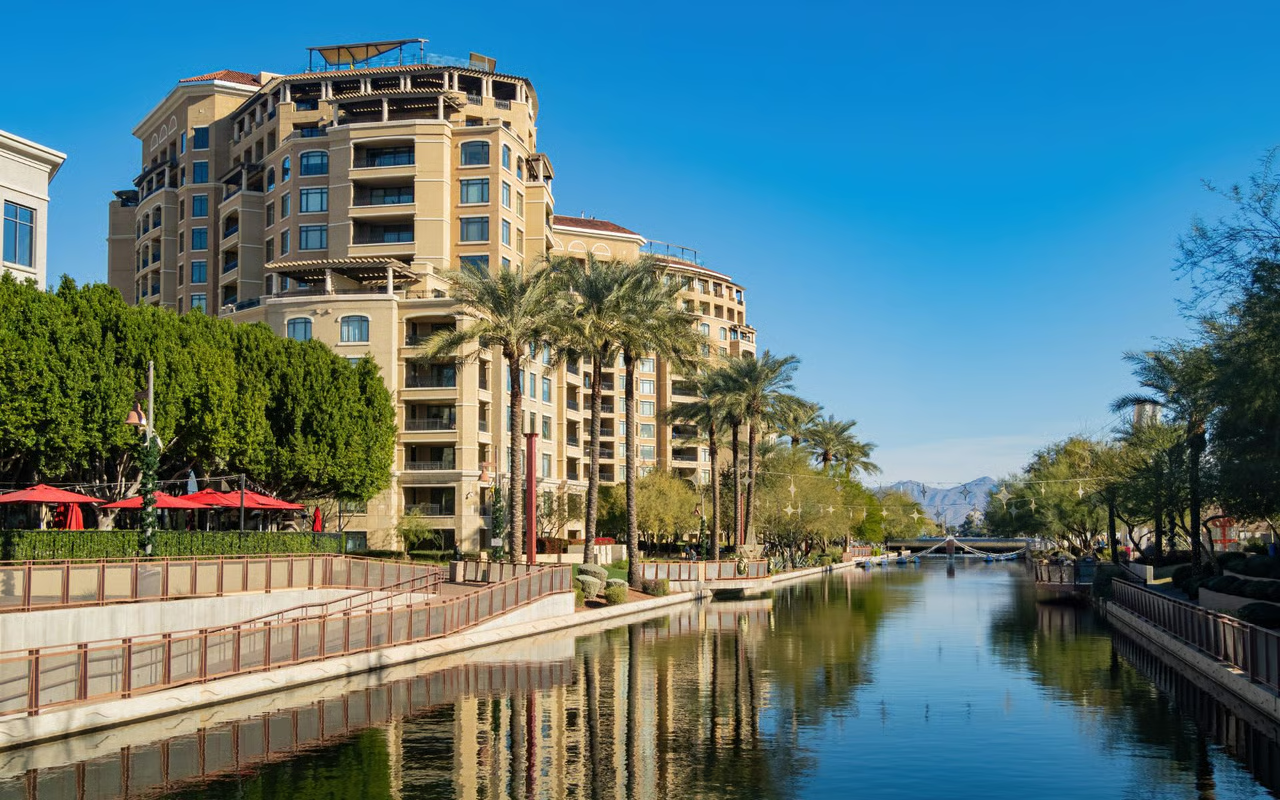
The Biltmore Corridor runs along Camelback Road near 24th Street, home to the Arizona Biltmore resort, Biltmore Fashion Park, and a cluster of class-A office towers that draw law firms, wealth managers, and corporate regional offices. It is one of the few submarkets feeding this exchange practice where an investor might genuinely trade up in scale, moving from a smaller Scottsdale-area holding into an institutional-grade office or retail asset, provided the identification schedule accounts for that larger deal's slower closing pace.
Office, Resort Retail, and What Sits Between Them
Commercial demand here splits into two distinct lanes: class-A and class-B office serving Camelback Road's professional-services tenants, and luxury or resort-adjacent retail feeding off Biltmore Fashion Park foot traffic. A handful of multifamily and mixed-use projects fill the space between them, mostly built within the last two decades and carrying higher price points than the Ahwatukee or Chandler side of the metro.
Because several of these buildings are held by institutional owners, comparable sales data is often better documented here than in smaller submarkets, which helps an appraiser support value. That same institutional ownership also means competing buyers are frequently better capitalized, so a replacement offer needs financing lined up before it is submitted, not after.
Scheduling a Larger Closing Inside 180 Days
Institutional-grade purchases move on a different clock than a small retail pad: appraisal, environmental review, and lender committee approval all take longer, which means the 180-day exchange period leaves less slack than it would for a simpler asset. The identification list has to reflect that reality from day one.
- Start lender committee conversations before the identification notice is due, not after a property is named
- Confirm environmental and property-condition reports are already scheduled for any finalist candidate
- Verify the seller's closing timeline matches the 180-day deadline before making an offer contingent on it
- Keep documented evidence of every candidate reviewed in case the three-property rule needs to be shown to a tax advisor
- Reserve escrow and title capacity early, since institutional deals compete for the same closing slots
Where Larger Deals Slip
Lender committee timelines are the most common source of delay on this corridor. A term sheet that looked achievable in week one can slip if the committee wants additional rent-roll detail or a second appraisal, and that slippage does not extend the 180-day deadline the exchange itself is running against.
Seasonal resort demand around the Arizona Biltmore also affects retail rent comparables, since summer months bring softer visitor traffic than the winter season. An investor underwriting retail rents pulled from a slow month should confirm they reflect a full-year average before treating them as durable.
Coordinating a Bigger File With the Same Deadline
A larger purchase means more parties to keep synchronized: lender, appraiser, environmental consultant, and title company all need the same closing date in view from the start. The qualified intermediary should receive the identification notice with enough lead time that day 45 is a checkpoint, not a scramble to finalize a property that has not yet cleared underwriting.
Investors moving into a bigger asset class than the one they sold should also confirm with their tax advisor how added debt or reduced debt on the replacement changes boot exposure, since larger purchases often involve more leverage than the property being exchanged out of.
Weighing Scale Against Speed
Trading up into an institutional-grade Biltmore Corridor asset is not free of trade-offs, and the biggest one is speed. A class-A office tower or anchored retail center with multiple lender touchpoints will rarely close as quickly as a smaller property elsewhere in the metro, so an investor choosing this corridor should build extra runway into the purchase contract rather than assume the deal will move at the same pace as the property being sold.
That runway should be visible to every party working the file: lender, appraiser, environmental consultant, and title company all need the closing date stated plainly, not implied. The qualified intermediary should also be looped in the moment any date shifts, since a late change to the identification notice still has to happen inside the fixed 45-day window regardless of how the larger transaction is progressing.
Common 1031 Exchange Questions
What makes the Biltmore Corridor different from other Scottsdale-area submarkets in this exchange?
It offers institutional-grade office and resort-adjacent retail at a larger scale than most nearby submarkets, which lets some investors trade up rather than sideways. That scale also means longer lender and appraisal timelines that have to be planned around the same 180-day deadline.
Does a bigger purchase change the 45-day identification rule?
No, the identification period is still 45 days regardless of deal size. What changes is how much of that time needs to go toward lender and diligence coordination so the closing can still happen inside 180 days.
Why do institutional owners matter to a replacement search here?
Institutional owners tend to keep cleaner rent rolls and sale documentation, which helps appraisers support value, but they also compete as sophisticated buyers, so an offer without financing already lined up is less likely to win the property.
Who handles the exchange funds and paperwork during a larger transaction?
A qualified intermediary holds proceeds and prepares the exchange documentation regardless of deal size. Investors should confirm every closing figure with the intermediary directly and discuss debt and boot exposure with their own tax advisor before signing a purchase contract.
How does resort seasonality affect retail rents on this corridor?
Visitor traffic around the Arizona Biltmore is stronger in winter than in summer, which can make single-month rent comparables misleading. A buyer should ask whether the numbers behind an asking price reflect a full year rather than one season.