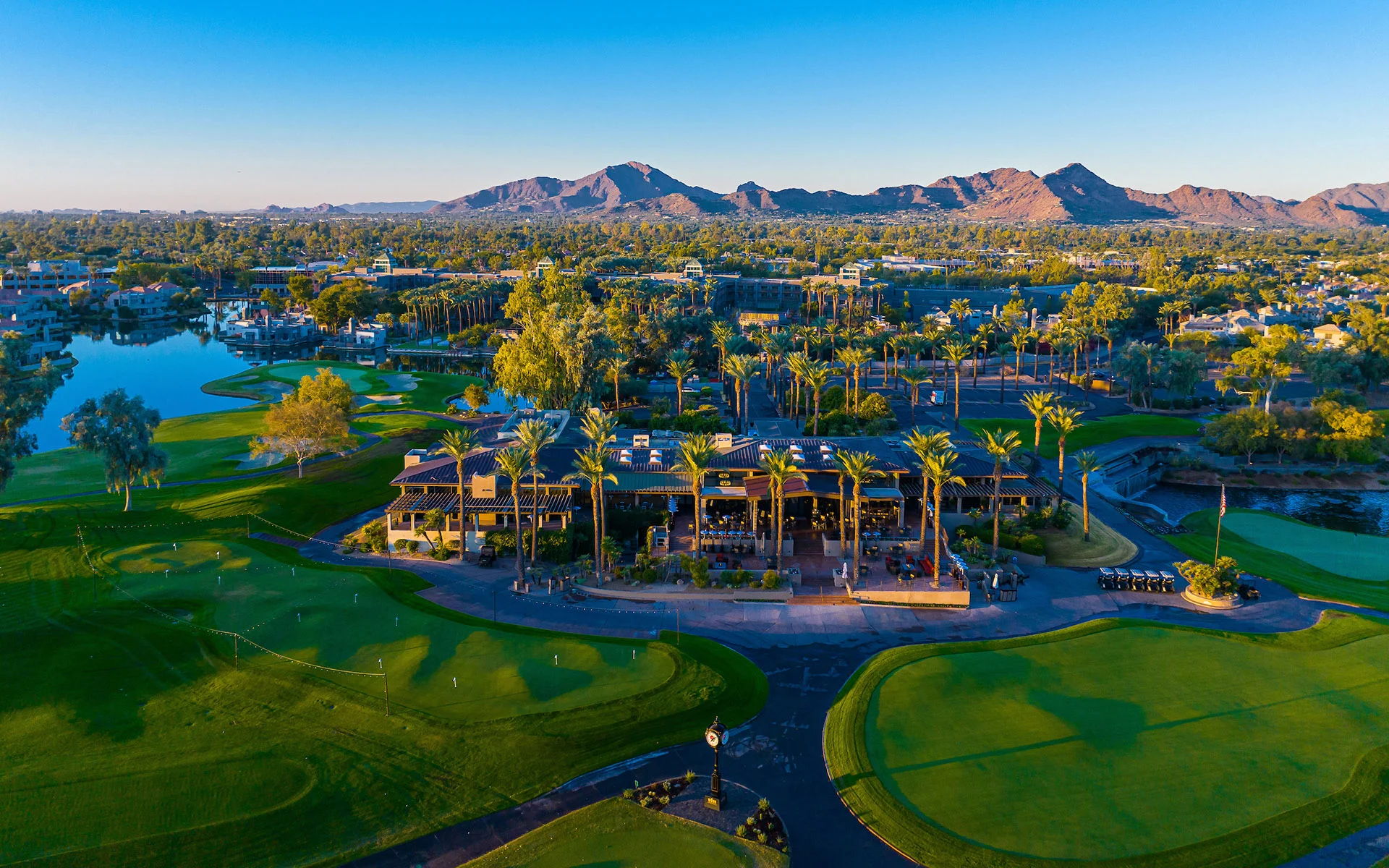
McCormick Ranch is Scottsdale's original 1970s master plan, its two lakes and golf courses wrapped by retail centers along Hayden Road, McCormick Parkway, and Scottsdale Road that are now old enough to need capital planning as part of any exchange decision, not only a purchase price.
A Legacy Master Plan With Aging Retail And Office Stock
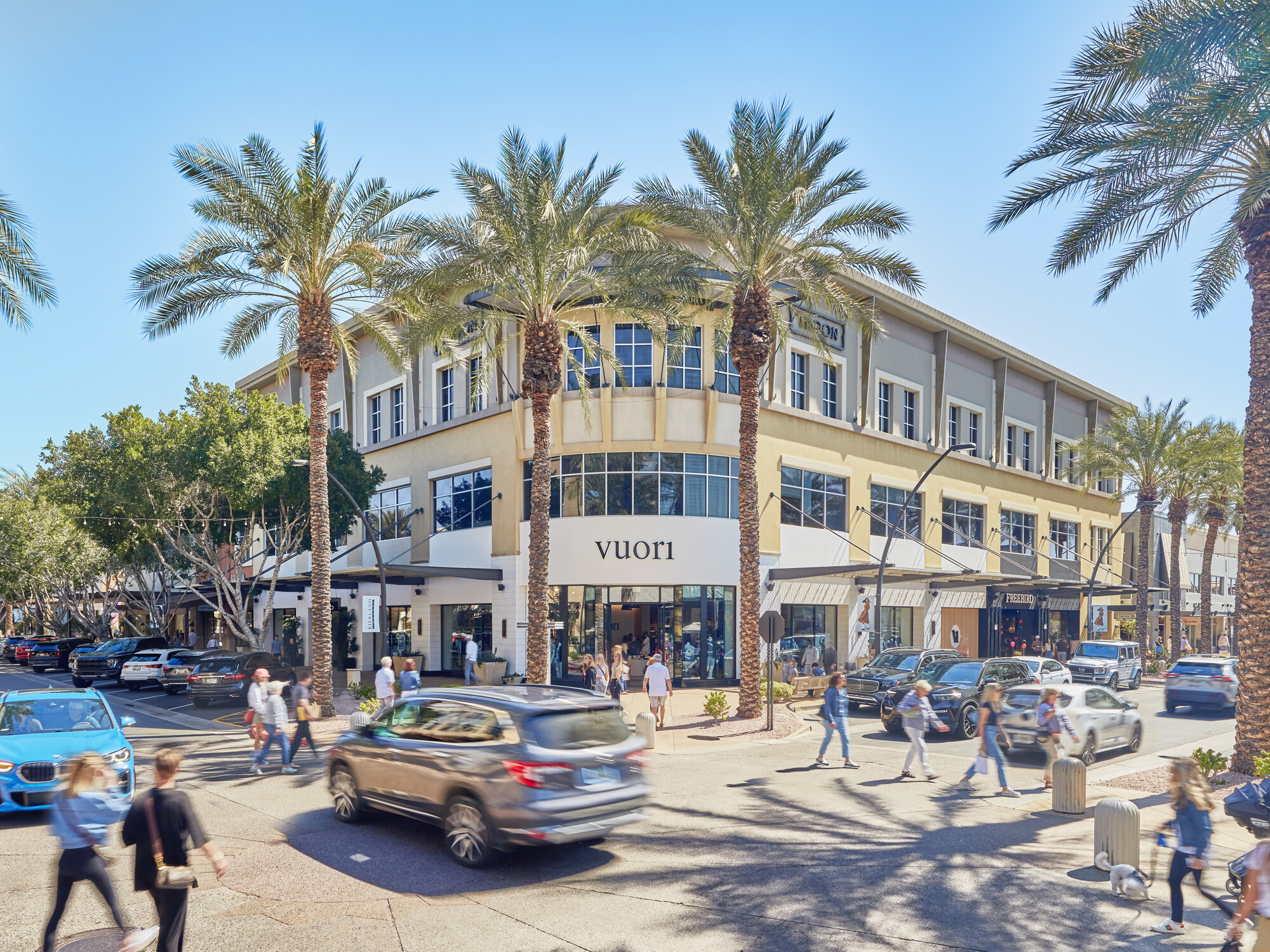
The retail centers built along the Hayden Road and McCormick Parkway frontage in the 1970s and 1980s are functionally sound but dated — roofs, parking lots, and mechanical systems are approaching or past their original service life on a meaningful share of the inventory, and the office parks scattered through the same corridor carry similar age.
None of that disqualifies a property as a replacement, but it changes what belongs in the file: a capital-needs estimate has to sit next to the rent roll before the investor's advisor signs off, because deferred maintenance discovered after closing is a different conversation than deferred maintenance priced into the offer.
Some of the retail centers along this frontage have already been through a first round of capital improvements — resurfaced parking, updated storefronts, newer roofing — while others haven't, and the file needs to say plainly which category a given candidate falls into rather than treating all McCormick Ranch retail as interchangeable.
Scoping Capital Needs Without Slipping The 45-Day Clock
A property condition assessment on an older McCormick Ranch building takes longer to turn around than a walkthrough on new construction, so it gets ordered the day the property is added to the identification list, run in parallel with title and lease review rather than after them.
If the assessment surfaces a major system nearing replacement, that number gets built into the advisor conversation immediately — it either changes the offer, changes the financing ask, or moves the property to backup status, and that decision happens inside the window, not after the identification notice is filed.
Identification List Composition For McCormick Ranch Candidates
A typical McCormick Ranch slate balances condition risk across a few asset types:
- Retail center along Hayden Road or McCormick Parkway
- Office park suite or small building
- Lakefront-adjacent mixed-use parcel
- Backup candidate in a newer North Scottsdale corridor
Each candidate on that list gets a one-line condition note attached before the identification notice is filed — roof age, parking-lot condition, and mechanical-system status where known — so the advisor is comparing like against like rather than a purchase price alone.
Coordinating Property Condition Reports With The QI Timeline
The qualified intermediary doesn't need the full condition report, but the intermediary's file and the advisor's file both need the same closing date, and a capital-repair negotiation with the seller can't be allowed to push that date without everyone agreeing to it in writing first.
Sequencing matters: condition assessment ordered week one, initial findings reviewed with the advisor by the end of week two, and any renegotiation of price or terms wrapped up before week three closes — leaving the back half of the window for financing and closing logistics rather than property-condition disputes.
The same file carries the relinquished-property closing details when the investor is exiting another property at the same time, so the intermediary, the lender, and the CPA are all working from one shared record rather than reconciling separate versions after closing.
Weighing McCormick Ranch Against Newer North Scottsdale Alternatives
A McCormick Ranch property with a manageable capital-needs number and strong existing tenancy can outperform a newer building in the Airpark or further north on price and cash flow, but that comparison only works if the capital estimate is accurate — a rough guess that turns out low after closing erodes the advantage the location was supposed to provide.
The advisor conversation should include both numbers side by side — purchase price plus estimated near-term capital needs for McCormick Ranch, versus purchase price alone for a newer alternative — so the decision is made on total cost, not sticker price.
Common 1031 Exchange Questions
Why does an older McCormick Ranch property need a capital-needs estimate before identification?
Roofs, parking lots, and mechanical systems on 1970s and 1980s-era construction are often near the end of their service life, so a capital-needs number needs to sit next to the purchase price before the investor's advisor can sign off on the replacement.
How fast does a property condition assessment need to move here?
It should be ordered the same day the property joins the identification list and run alongside title and lease review, since older buildings take longer to inspect thoroughly and the findings can change the offer or the financing request.
What if the condition report finds a major repair need mid-window?
That number gets brought to the advisor conversation immediately so a decision — renegotiate, adjust financing, or move the property to backup status — happens with enough of the 45-day window left to act on it.
Does McCormick Ranch's age make it a weaker exchange target?
Not inherently — the lakes-and-golf master plan still draws stable tenancy, but the file needs a condition estimate that a newer North Scottsdale building wouldn't require, and that should be treated as a standard step, not a red flag.
Can a capital-repair negotiation delay the 180-day close?
It can if it isn't scheduled — any renegotiation over repair costs should be wrapped up by week three of the identification window, leaving the back half of the exchange period for financing and closing rather than a late-stage price dispute.