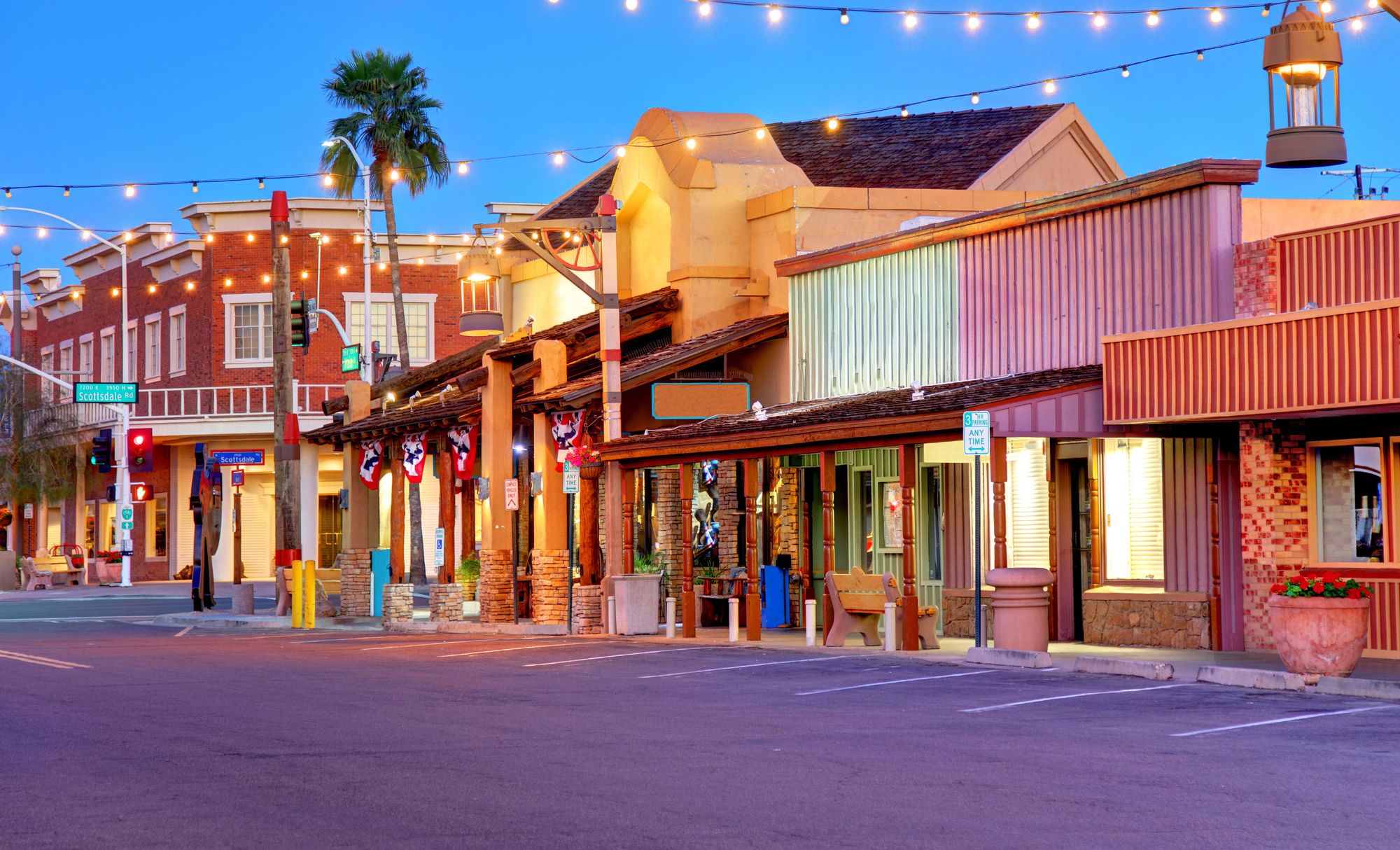
95% Rule Strategy applies when a Scottsdale exchange investor wants to identify an unlimited number of replacement properties with no value ceiling at all. The tradeoff is strict: the investor must actually acquire at least 95% of the total fair market value of everything identified, measured by closings, not by intentions.
Why Anyone Chooses the Narrowest Safe Harbor
Of the three identification rules, the 95% rule is the least forgiving and the least commonly used, but it exists for a reason. An investor identifying a large basket of smaller assets, such as a collection of Old Town Scottsdale retail parcels or a set of small multifamily buildings scattered across the metro, may need more than three properties and may also exceed the 200% value ceiling. In that case, the 95% rule is the only path left, and it requires closing on nearly everything named.
This is not a rule to fall back into by accident. It should be a deliberate choice, made with full knowledge that partial closings are not an acceptable outcome under it.
How the 95% Threshold Is Measured
The threshold is calculated against the combined fair market value of every property on the identification notice, not against the count of properties. An investor who identifies ten properties and closes on eight might still fail the rule if the two unclosed properties represent more than 5% of the total identified value, even though 80% of the properties by count did close.
Coordination tracks this as a value-weighted percentage from the day the list is finalized, updating the running total every time a closing occurs so the investor can see in real time whether the threshold is still achievable.
Tracking Fields
A 95% rule tracker needs the same fields kept current for every property on the list:
- Identified fair market value for each property named on the notice.
- Running total of value closed to date across the whole list.
- Percentage of total identified value closed, updated after each closing.
- Status of any property still pending, including realistic closing risk.
- Contingency plan if a pending property is unlikely to close on schedule.
Once the percentage of closed value drops below what the remaining 180-day runway can realistically recover, the strategy has effectively failed even before the deadline arrives.
What Failing the Threshold Actually Means
If the 95% threshold is not met by the end of the 180-day exchange period, the exchange is generally treated as if no identification had been made at all, not simply reduced to whatever did close. This is a harder outcome than falling short under the 200% rule, which is one reason the 95% rule tends to be reserved for basket strategies where the investor has genuine confidence in closing nearly the entire list.
Investors considering this approach should walk through the closing risk on every property with their qualified intermediary before the identification notice is filed, since the rule leaves very little room for a weak link anywhere in the basket. A single problem property, whether a title defect or an uncooperative seller, can undo months of otherwise careful planning under this rule.
Where This Fits a Scottsdale Portfolio Strategy
The 95% rule tends to appear when an investor is deliberately diversifying across a wide set of smaller assets, for example spreading capital across McCormick Ranch, Gainey Ranch, and South Scottsdale rather than concentrating in a single large replacement. That diversification has real merit, but it multiplies the number of closings that all need to land inside the same 180-day window, and every one of them carries weight against the 95% threshold.
This strategy works best with a clear-eyed view of which properties in the basket are genuinely likely to close, confirmed early rather than assumed. A basket built from properties with realistic closing timelines and cooperative sellers holds up under the 95% threshold far better than one assembled mainly for the sake of maximizing optionality.
Common 1031 Exchange Questions
When would a Scottsdale investor use the 95% rule instead of the 200% rule?
Typically when the identification list both exceeds three properties and exceeds 200% of the relinquished property's value, leaving the 95% rule as the only remaining safe harbor. It is usually chosen deliberately for basket strategies rather than used by default.
Is the 95% threshold measured by number of properties or by value?
By value. The investor must close on properties representing at least 95% of the total fair market value identified, which means a small number of high-value properties failing to close can breach the threshold even if most properties by count did close.
What happens if the 95% threshold is missed?
The exchange is generally treated as if the identification never satisfied any safe harbor, which is a more severe outcome than a partial shortfall under the 200% rule. This should be reviewed directly with a qualified intermediary before choosing this rule.
Can properties be swapped out of a 95% rule list after day 45?
No, the identification list is locked once the 45-day window closes, the same as under the other two rules. Any risk assessment on individual properties has to happen before that deadline, not after.
Does the 95% rule limit how many properties can be identified?
No, there is no cap on the number of properties or their combined value under this rule, which is its main appeal for basket strategies. The cost of that flexibility is the strict closing requirement across nearly the entire list.