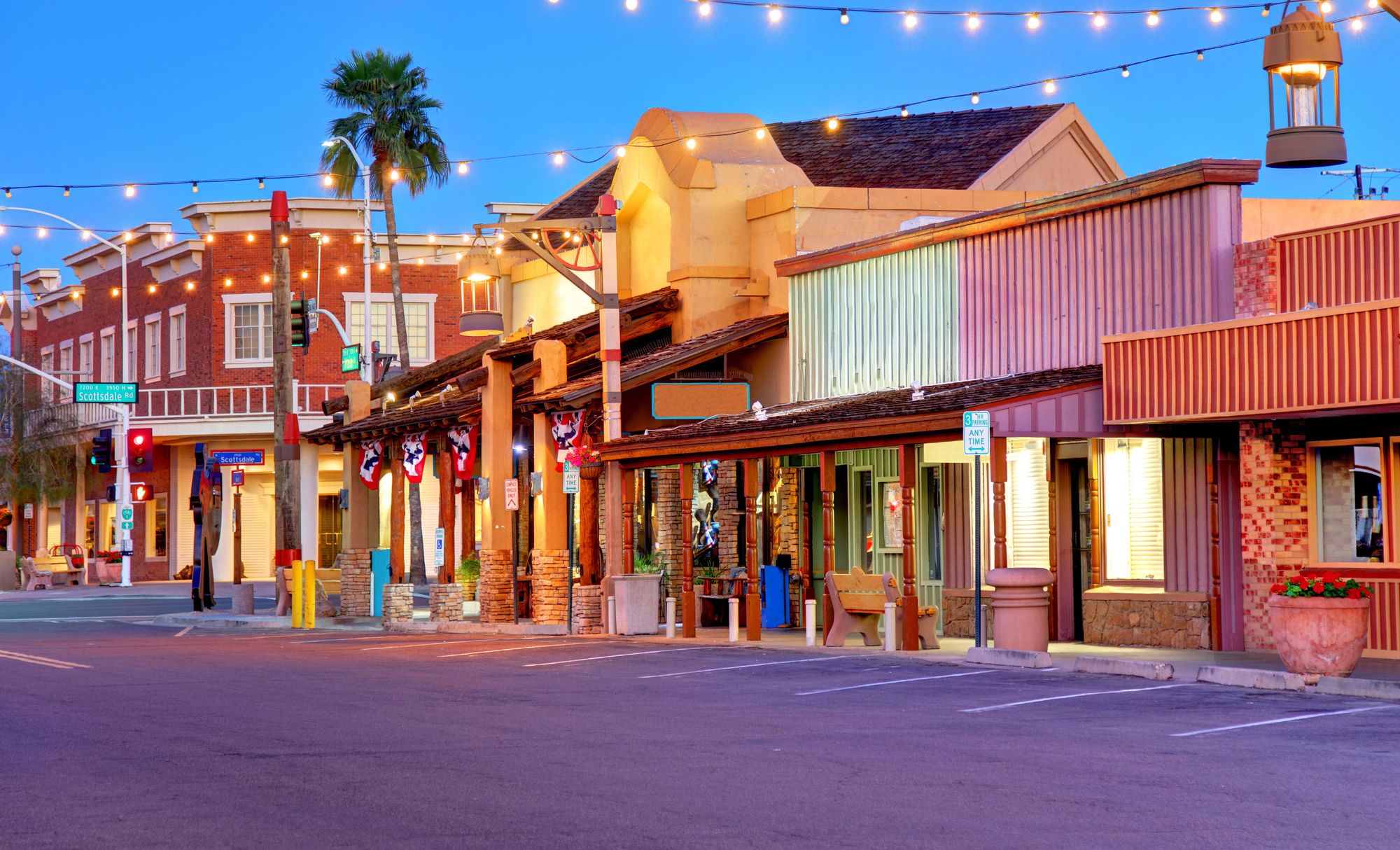
A Scottsdale medical office exchange runs on a fixed clock, and the sourcing work has to fit inside it without slowing the rest of the file down. This service builds a shortlist of clinical and healthcare buildings around the Shea Boulevard medical corridor and the HonorHealth Scottsdale campus, then keeps that shortlist moving in step with the identification deadline and the qualified intermediary's paperwork.
Reading the Shea Corridor
Scottsdale's medical office stock clusters tightly around Shea Boulevard and the HonorHealth Scottsdale campus, with a second band running toward the Airpark employment core where dental, imaging, and urgent-care tenants have taken over former general-office suites. Sourcing starts by separating buildings that were purpose-built for clinical use from converted office space, since the retrofit cost for plumbing, HVAC zoning, and lead-lined rooms changes how a buyer underwrites the asset.
North Scottsdale specialist suites near Loop 101 draw a different tenant profile than the Shea corridor, skewing toward single-practice buyers and smaller floor plates, so the sourcing pass tags each candidate by tenant type before it ever reaches the shortlist. That tagging step is what keeps the identification window from getting eaten up by buildings that never fit the exchange in the first place.
Sequencing the Screening Pass
Once the candidate pool is set, the work moves on a fixed order so nothing gets reviewed twice and nothing gets skipped under deadline pressure.
- Confirm relinquished-property sale facts and debt payoff before scheduling any new tours
- Pull parking ratios and referral-access data for each Scottsdale building on the list
- Check tenant specialty mix and remaining lease term against renewal risk
- Flag buildout cost exposure for clinical improvements that won't transfer to a new tenant
- Route the narrowed list to the qualified intermediary for identification-letter drafting
No-Disruption Handoff
The goal is to hand the advisor team and the qualified intermediary a file they can act on without asking for a second round of research. Lease abstracts, buildout notes, and parking-ratio comparisons get written up as they're gathered rather than reconstructed after the fact, so the 45-day identification letter can be drafted from material that already exists. For an investor holding a relinquished asset in the Airpark, that discipline matters because the seller-side closing rarely waits for replacement research to catch up.
Where a Scottsdale medical building carries a long-term single-tenant lease, the sourcing file also tracks renewal options and expense pass-throughs, since those terms decide whether the asset behaves like durable income or a lease that resets before the debt does. The file stays focused on what still needs a decision, not on every building that was toured.
Working Around the Clinical Calendar
Touring clinical buildings comes with its own scheduling constraint that general office sourcing doesn't have: a working medical suite can't be shown mid-appointment, and property managers along the Shea corridor are used to booking access around patient hours rather than a buyer's convenience. Sourcing accounts for that by lining up tour windows early rather than trying to schedule them the same week the identification deadline is closing in.
Financing timelines for medical office product also run a step slower than standard retail or office debt, since a lender underwriting a clinical building wants to see tenant specialty concentration and buildout depreciation schedules before issuing terms. Getting a term sheet request in front of the lender as soon as a Shea corridor or Airpark candidate clears the first screen keeps that slower process from becoming the reason the 180-day closing period runs tight.
Common 1031 Exchange Questions
Why focus on medical office instead of general office space for a 1031 replacement?
Clinical tenants in the Shea Boulevard corridor tend to renew in place because relocating a buildout is expensive, which gives the income more staying power than a typical general-office lease. That said, tenant concentration risk still needs to be checked against renewal terms before the property goes on the identification list.
How does the Scottsdale Airpark factor into medical office sourcing?
The Airpark has absorbed overflow demand from the Shea corridor as dental, imaging, and specialty practices look for larger floor plates near the employment base. Sourcing treats Airpark buildings as a secondary pool, screened the same way as Shea corridor candidates but tagged separately for tenant type.
Does this service give tax advice on the exchange?
No. This work is limited to sourcing, screening, and documentation coordination for replacement property. Investors should confirm basis, boot exposure, and reporting positions with their own tax advisor or the qualified intermediary before closing.
What happens if no medical office candidate clears screening before day 45?
The identification list can still include a backup candidate from a different asset class if the medical office pool runs thin, since the 45-day rule does not require every listed property to be medical office. The sourcing file notes which candidates were declined and why, so the reasoning is on record if the advisor team asks later.
How is parking ratio weighted against tenant specialty in the screening?
Both are checked, but parking ratio is treated as a harder constraint since it is difficult to change after purchase, while tenant specialty mix is reviewed for renewal risk. A building with a strong specialty tenant but a poor parking ratio usually gets flagged rather than dropped outright.