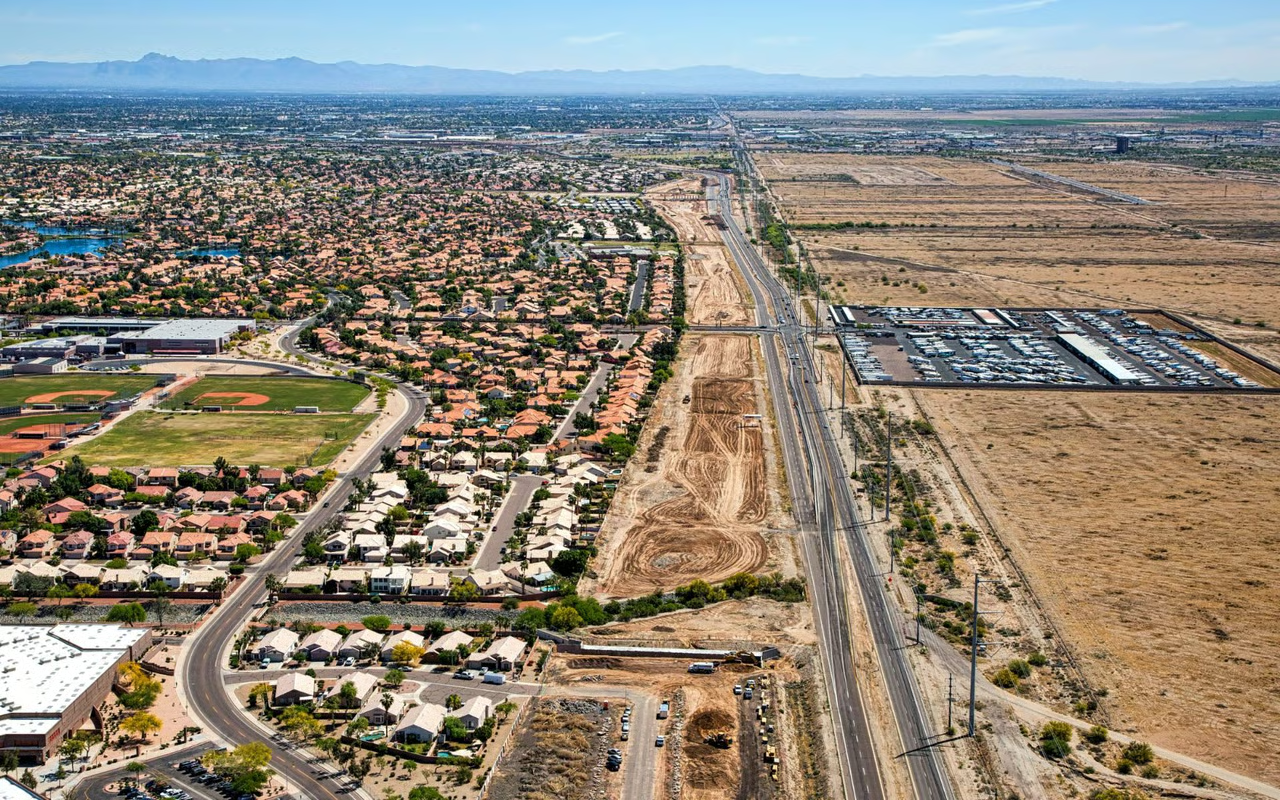
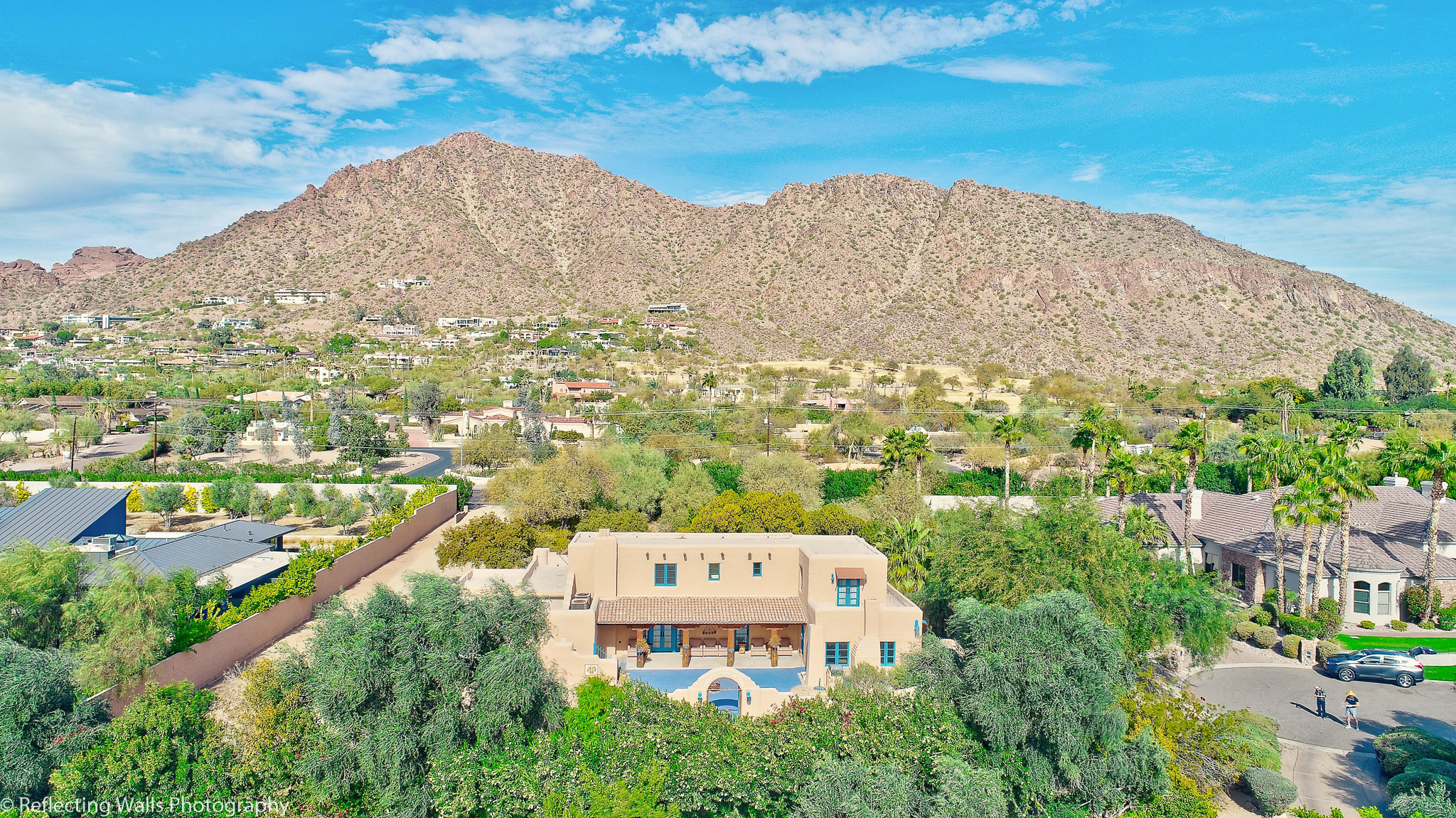
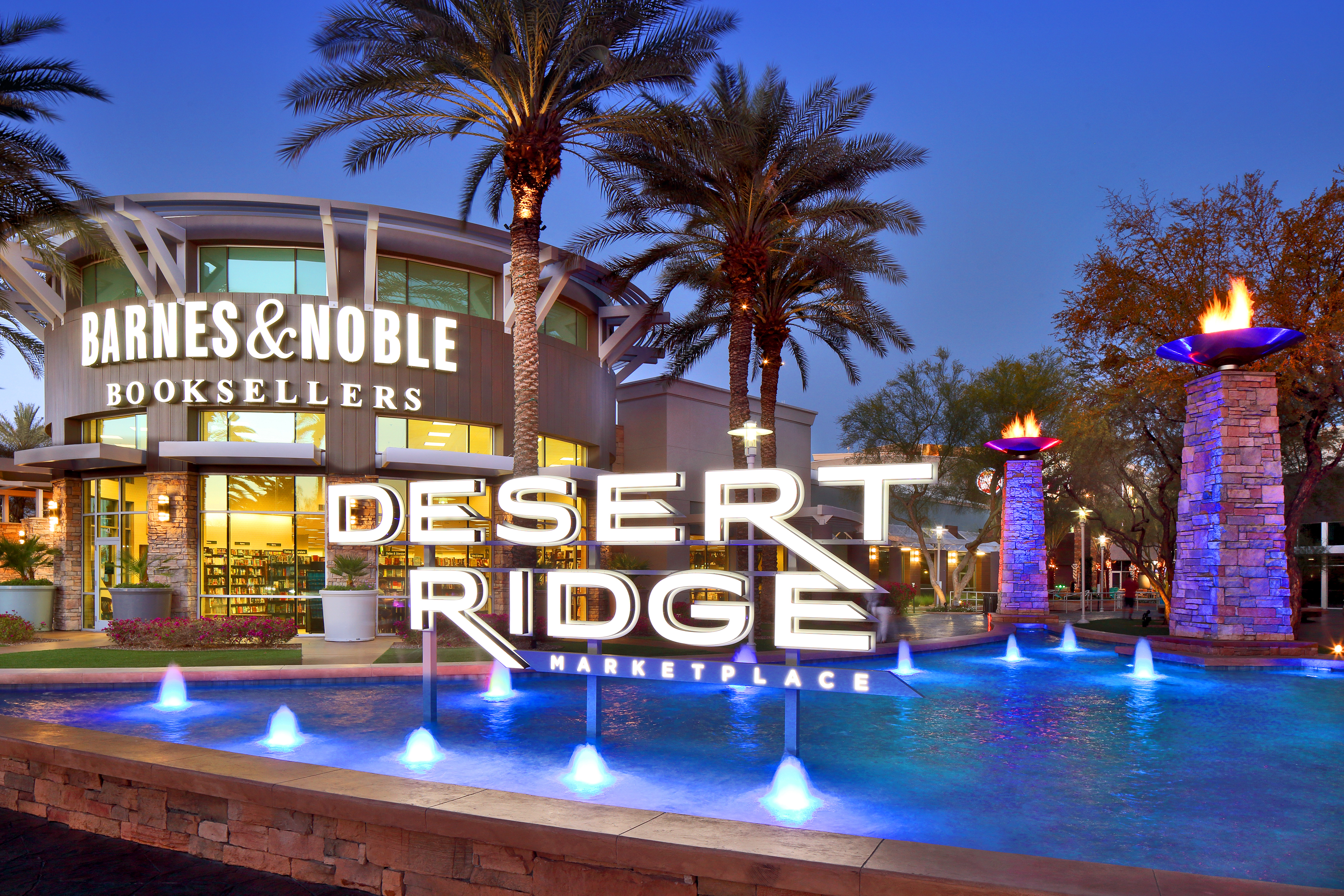
Chandler runs on the employment base along the Price Road corridor, where Intel's Ocotillo campus and a cluster of technology and advanced-manufacturing employers support demand for industrial, flex, and service retail that few other East Valley submarkets can match. Exchange investors trading into Chandler are usually chasing that employment stability, but the corridor also draws well-capitalized institutional buyers, so a replacement offer needs financing lined up before it competes for a listing, not after.
Industrial Demand Behind the Price Corridor
Industrial and flex space along Price Road and near Loop 202 makes up the core of what trades here, supported by manufacturing, logistics, and technology tenants that lease in bulk. Downtown Chandler's smaller-format retail and restaurant buildings offer a very different kind of replacement asset, trading on walkability and civic redevelopment rather than freeway access.
Multifamily near San Tan Village and along Arizona Avenue has grown alongside residential rooftops, giving exchange buyers a genuine option outside industrial and retail if the goal is a more passive hold. Because so much of this activity is driven by large employers, a lease rollover tied to a single major tenant deserves closer scrutiny than a diversified retail rent roll would.
Preparing a Lender-Ready Identification List
Industrial and flex assets in an employment-driven market like this one attract competitive bidding, which means an identification notice naming a property without financing already in motion risks losing that property before day 180 arrives. The short list should reflect properties a lender has already reviewed, not ones still waiting on a term sheet.
- Confirm lender terms are in motion before naming an industrial or flex candidate on the identification notice
- Pull tenant concentration data separately for any property leased to one or two major employers
- Verify Loop 101 or Loop 202 access for the specific parcel, not the general corridor
- Request current occupancy and lease-expiration schedules before ranking a multifamily candidate near San Tan Village
- Document every candidate reviewed and declined in case the three-property rule needs review with a tax advisor
Where Employment Concentration Creates Risk
A single dominant employer nearby can make a property's rent roll look stronger than its underlying tenant diversity actually is. Before relying on that income for a replacement decision, an investor should confirm how much of the building's revenue ties back to one lease and what happens to value if that tenant does not renew.
Competitive bidding from institutional buyers can also compress the time a listing stays available, so a replacement candidate identified too casually on day 40 may already be under contract to someone else by day 45. Building relationships with brokers active in the corridor before the identification window opens reduces that risk.
Running the Closing Timeline Against Institutional Competition
Because Chandler properties often draw multiple offers, the purchase contract on a replacement candidate should be negotiated with the 180-day deadline explicitly in view, including what happens if the seller's own closing timeline slips. A seller unwilling to commit to dates that fit inside the exchange window is a signal worth taking seriously before day 45 rather than after.
Investors should also confirm proceeds, entity information, and debt payoff figures with their qualified intermediary early, and discuss how added leverage on an industrial replacement affects boot exposure with their own tax advisor before signing anything.
Weighing Industrial Against a Passive Alternative
An investor drawn to Chandler for its employment base should still weigh whether a hands-on industrial or flex property fits their actual appetite for ongoing management, compared to a more passive multifamily or net-lease alternative in the same corridor. Industrial tenants can offer longer lease terms and stronger credit, but they also require closer attention to renewal timing and building systems than a passive hold typically demands.
That choice should be made before the identification notice is filed, since switching between asset types mid-search wastes days the 45-day window does not refund. Keeping the qualified intermediary informed of which asset type is actually being pursued, rather than leaving multiple unrelated options open indefinitely, keeps the closing schedule realistic.
Common 1031 Exchange Questions
What kind of commercial property dominates the Chandler market?
Industrial and flex space along the Price Road corridor makes up the bulk of activity, supported by technology and manufacturing employment, alongside smaller retail in downtown Chandler and multifamily near San Tan Village.
Why does tenant concentration matter more here than elsewhere?
Several Chandler properties lease heavily to one or two major employers, so a rent roll can look stronger than the underlying tenant diversity actually is. Confirming how much revenue ties to a single lease helps size the real risk.
Does institutional competition affect the exchange timeline?
It can. Well-capitalized buyers move quickly on industrial listings, so a replacement candidate without financing already in motion risks losing to a competing offer before the 45-day identification deadline arrives.
Who holds the exchange proceeds during the transition?
A qualified intermediary holds sale proceeds and prepares identification and closing paperwork. Investors should confirm every figure with the intermediary directly and take boot or leverage questions to their own CPA or tax advisor.
What should an investor do if a Chandler seller's closing timeline is uncertain?
Treat an uncommitted closing date as a warning sign before day 45, not after. A seller unwilling to fit inside the 180-day window puts the whole exchange at risk regardless of how strong the property otherwise looks.