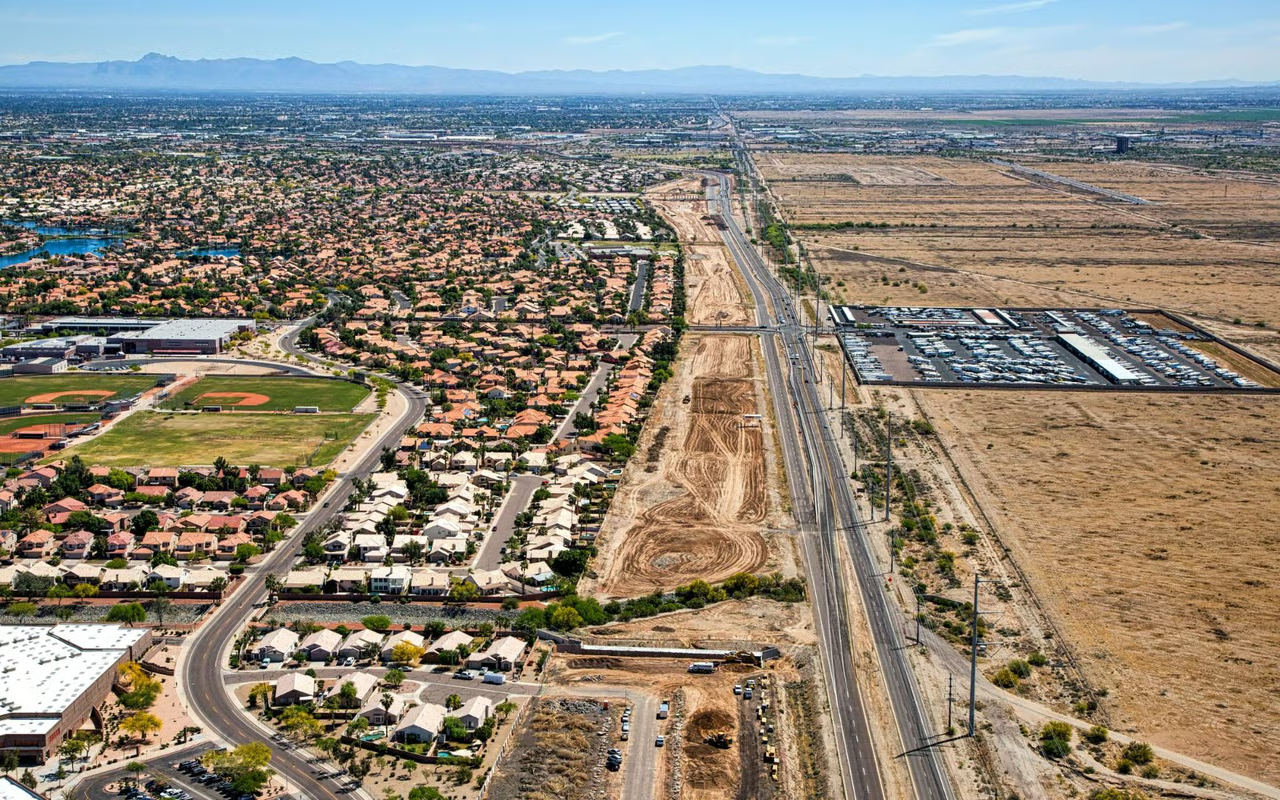
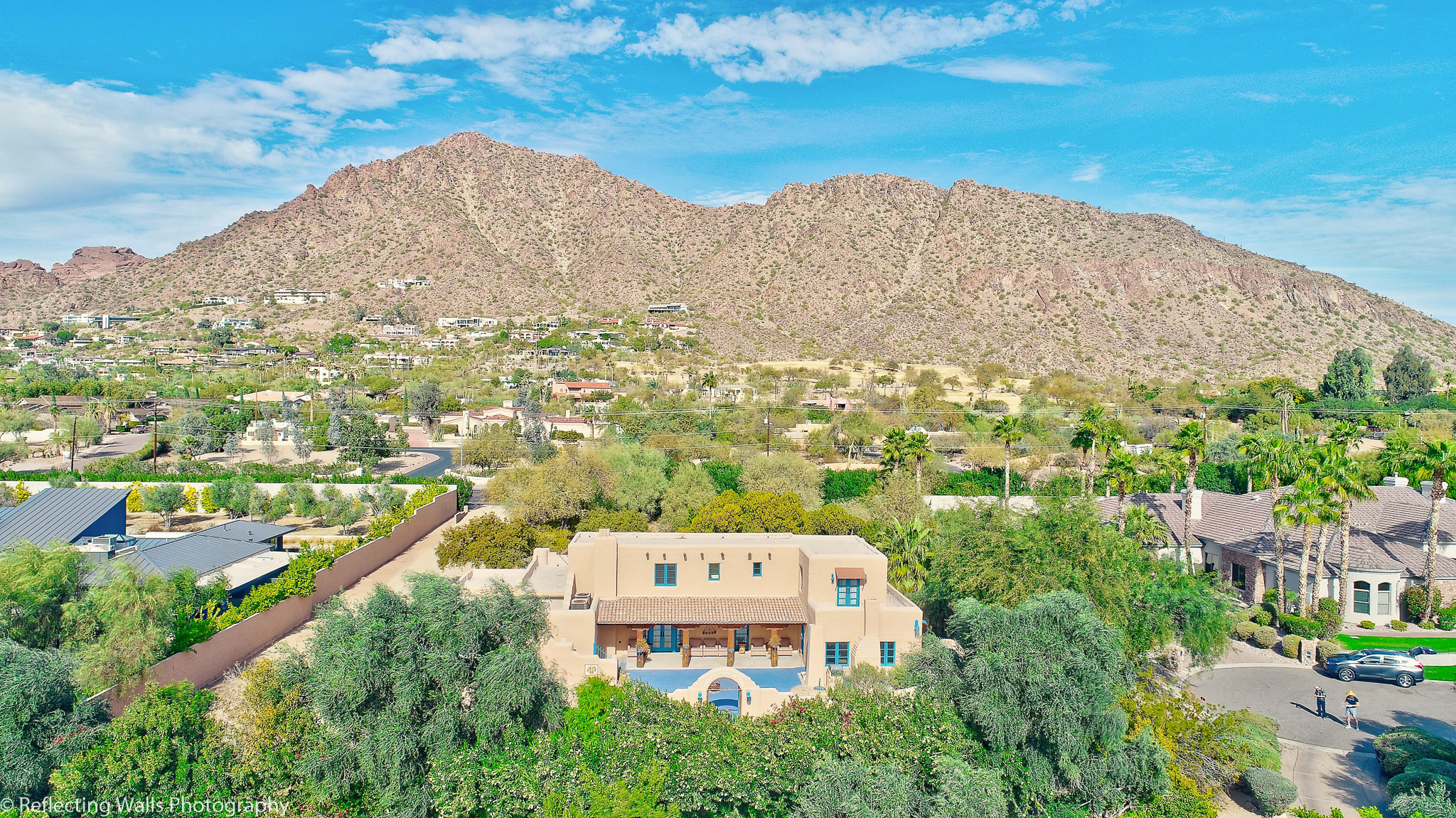
Gilbert has grown from a farming town into one of the Southeast Valley's larger suburbs, with commercial demand now driven by household growth rather than any single employer. Investors exchanging into Gilbert are usually chasing that residential-driven stability: neighborhood retail, medical office, and multifamily rather than the industrial base found in nearby Chandler, and the replacement search should reflect that household-first character.
Retail and Office Following Rooftops
The Heritage District's downtown core offers smaller-format restaurant and boutique retail built on walkability and civic redevelopment, while retail near SanTan Village and Val Vista Drive serves a more conventional suburban trade area built on daily household spending. Medical and professional office has grown alongside both corridors as the town's population has expanded.
Multifamily near Williams Field Road and the SanTan corridor has kept pace with residential growth, giving exchange buyers a genuine option if the goal is a more passive, longer-hold asset. Because so much of Gilbert's growth is recent, price appreciation has been strong, which can compress yield compared to a similar property in an older, less fashionable submarket.
Building an Identification List Around Rising Prices
Because pricing here has moved quickly, an identification notice built purely on asking price without a fresh comparable-sale check risks overstating what a property is actually worth. The 45-day window should be used to confirm recent closed sales rather than active listings alone before ranking candidates.
- Pull closed comparable sales from the last six months, instead of active listings alone, before ranking a Gilbert candidate
- Confirm Loop 202 and Williams Field Road access for the specific property, not the general corridor
- Verify medical-office lease terms and renewal options separately from retail lease structures
- Check multifamily occupancy trends against household growth data for the immediate trade area
- Document every property considered and declined in case the three-property rule needs later review with a tax advisor
Where Growth Pricing Creates Risk
A seller in a fast-growing submarket may price a property against expected future rent growth rather than current, documented income, and a buyer relying on that projection risks a valuation gap once a lender's own appraisal comes back. Asking for current, signed leases rather than pro forma projections keeps underwriting grounded in what a property actually earns today.
Competition among buyers for well-located Gilbert retail and medical office can also compress the time a listing stays available, so a candidate identified too late in the 45-day window may already be under contract elsewhere by the time an offer is ready.
Closing on Time in a Fast-Moving Suburb
Once a Gilbert property is named on the identification notice, lender underwriting and title work should move in parallel from day one, since competitive pricing dynamics leave little room for a slow start to compound into a missed deadline. A seller unwilling to commit to a closing date that fits inside 180 days is worth flagging early rather than discovering the conflict later.
Investors should confirm proceeds and entity details with their qualified intermediary before the identification deadline, and discuss with their tax advisor how a higher purchase price relative to the property sold affects the overall exchange calculation.
Weighing Growth Pricing Against Long-Term Hold Costs
An investor should weigh Gilbert's strong household growth against the higher entry price that growth has produced, since a compressed yield today only pays off if the growth trend continues for years, not months. That trade-off deserves a direct conversation with a lender or advisor rather than an assumption that rising prices alone justify the purchase.
Getting that conversation done before the identification notice is filed keeps the 45-day window from being spent on a property that looks attractive but does not actually fit the investor's return expectations. The qualified intermediary should receive the finalized candidate list only after that comparison is settled, not before. A property that clears both the pricing and the return conversation is a far safer bet than one chosen mainly because it happened to be available first.
Common 1031 Exchange Questions
What kind of commercial property is available in Gilbert?
Heritage District restaurant and boutique retail, suburban retail near SanTan Village, medical and professional office, and multifamily near Williams Field Road make up most of the inventory, all driven by strong household growth rather than a single employer.
Why does pricing in Gilbert need extra scrutiny?
Rapid growth has pushed prices up quickly, and some sellers price against expected future rent rather than current signed leases. Checking recent closed sales and actual lease terms helps avoid a valuation gap when a lender's appraisal comes back.
Does competition for listings affect the identification timeline?
It can. Well-located retail and medical office here draw multiple buyers, so a candidate identified too late in the 45-day window risks being under contract elsewhere before an offer can be finalized.
Who manages the funds and paperwork during the exchange?
A qualified intermediary holds sale proceeds and prepares identification and closing documentation. Investors should confirm every figure directly with the intermediary and take purchase-price or boot questions to their own CPA or tax advisor.
How does a higher purchase price affect the exchange?
Buying a more expensive replacement than the property sold generally supports full tax deferral, but the exact effect depends on debt levels and other factors that should be reviewed with a tax advisor before the purchase contract is signed.