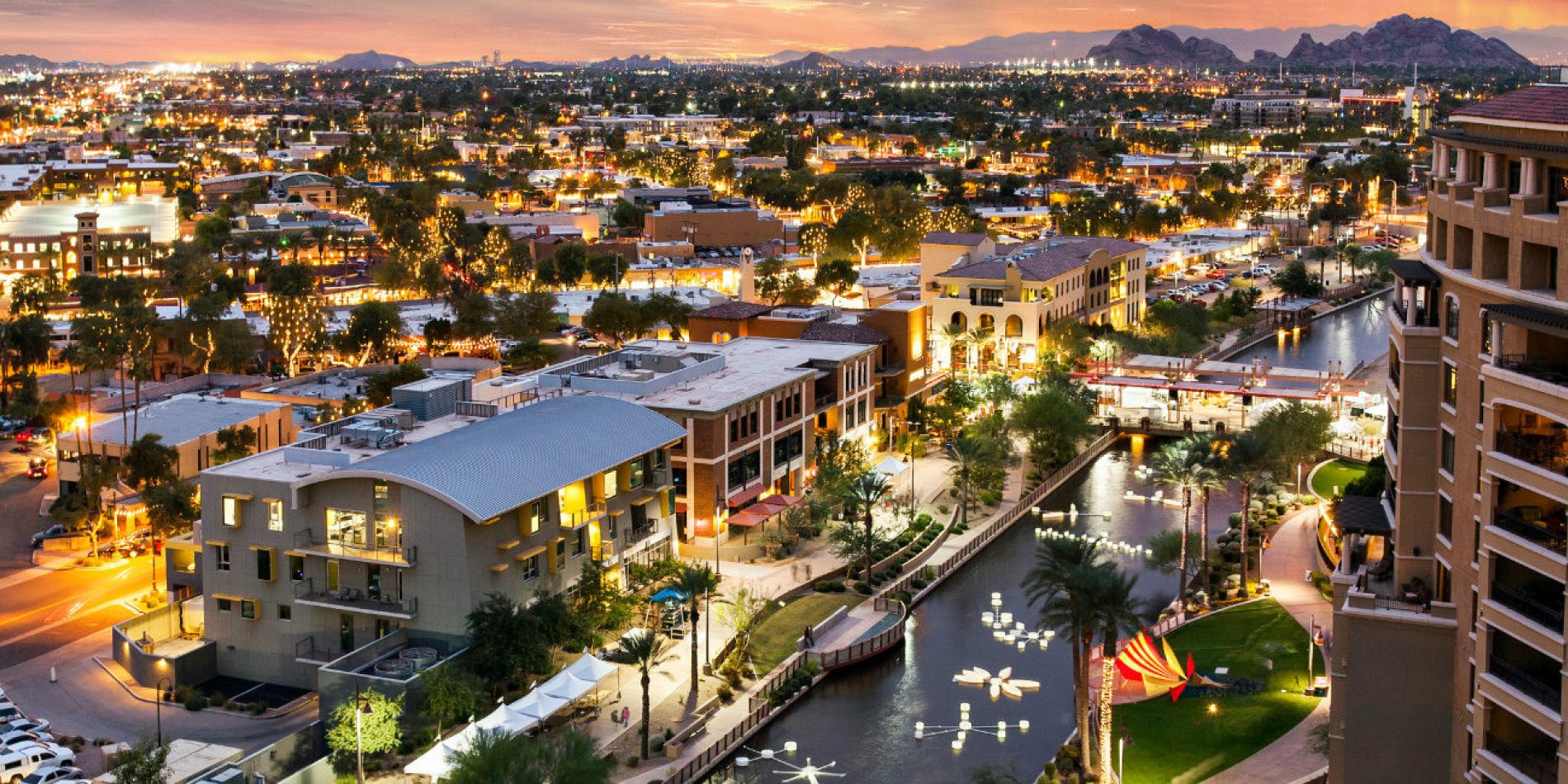
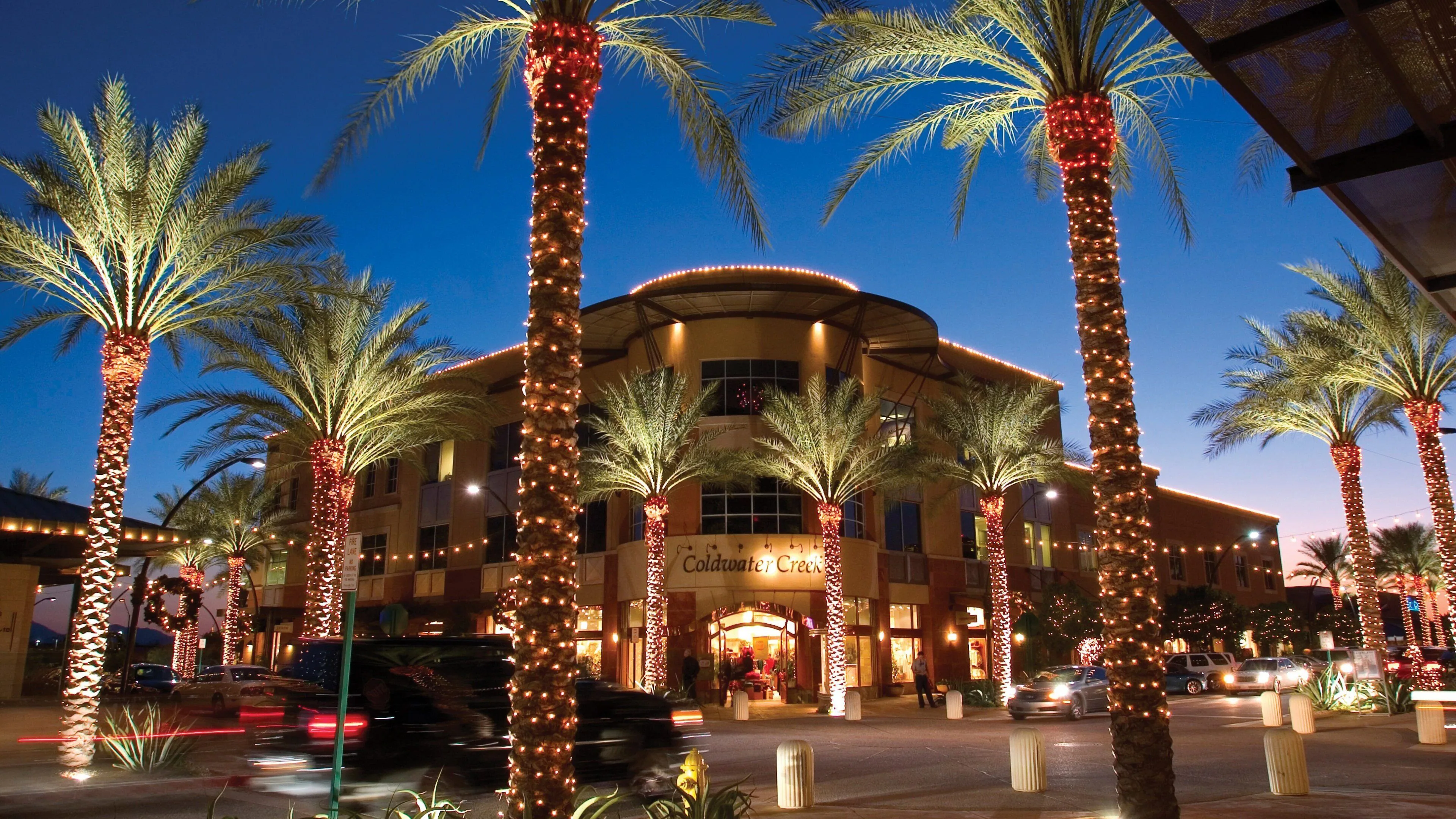
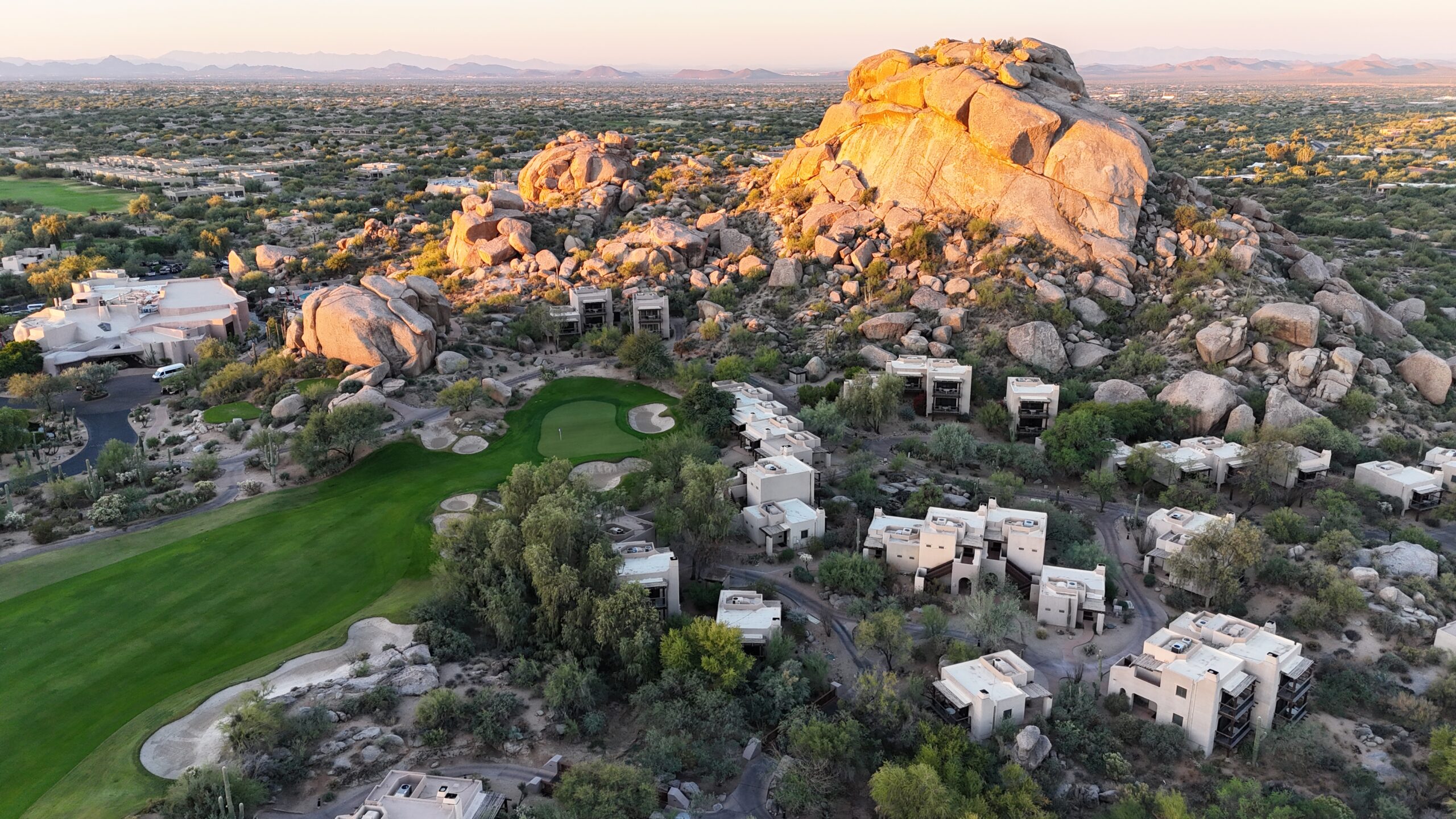
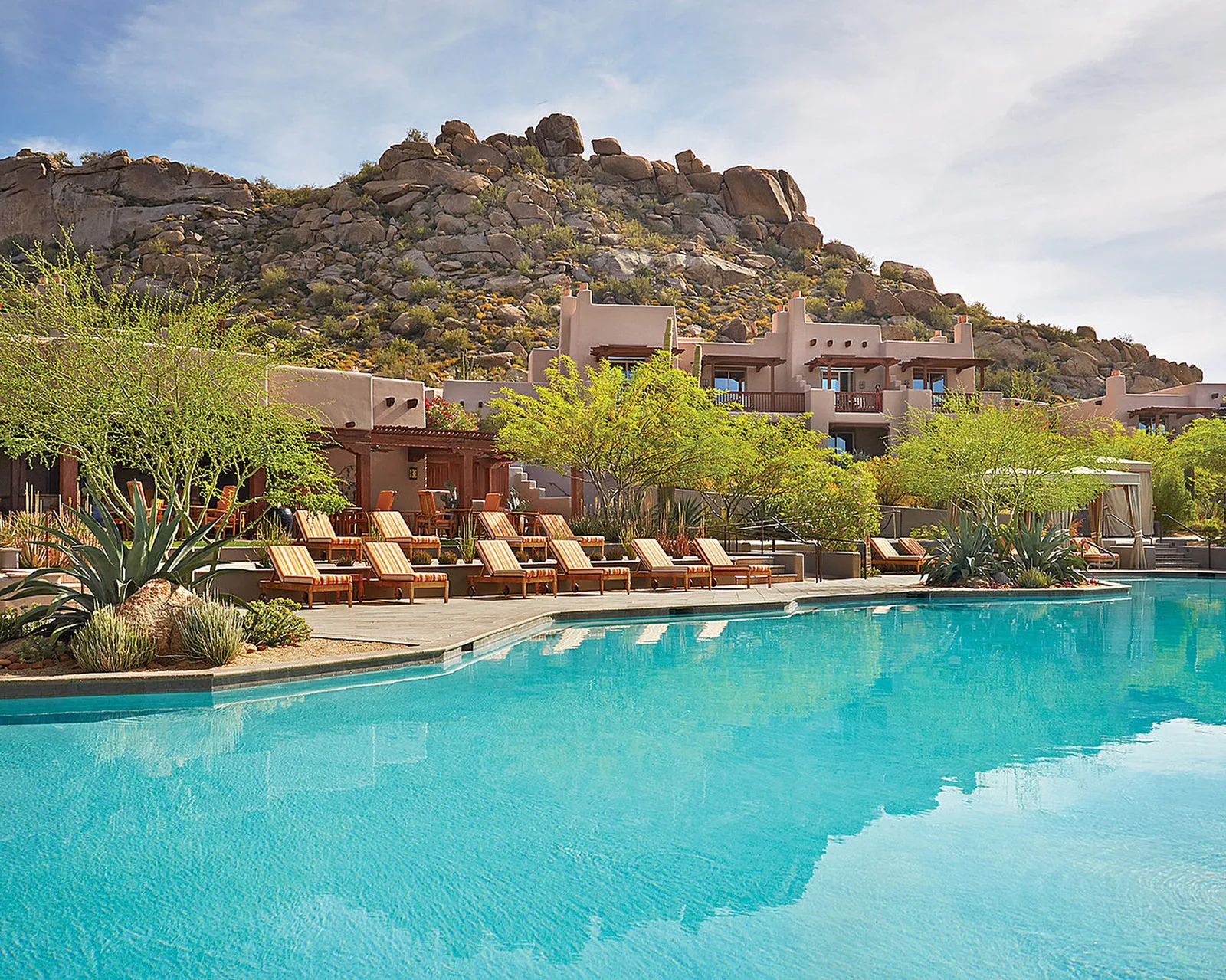
Scottsdale's zoning leans toward golf-resort and low-density product, so a straight apartment-for-apartment exchange inside city limits is rare. Multifamily replacement sourcing for a Scottsdale-based exchange usually means screening Scottsdale-adjacent supply in Tempe, Mesa, and Chandler as well as whatever infill product exists near the Airpark, then keeping that broader search on the same schedule as the identification deadline.
Where Multifamily Supply Actually Sits
Inside Scottsdale proper, apartment stock concentrates in South Scottsdale and along the McDowell corridor, where older garden-style properties sit closer to redevelopment pressure than newer product farther north. North Scottsdale and the resort-adjacent submarkets rarely produce apartment inventory at all, since land use there favors single-family, resort, and luxury for-sale product over rental density.
Because of that gap, sourcing work routinely extends into Tempe near the employment base and into Mesa and Chandler, where unit counts run larger and cap rates trade differently than in-city Scottsdale product. The sourcing file keeps a clear line between true Scottsdale-address candidates and the broader metro pool, since an investor targeting Scottsdale specifically needs to know when the search has left that boundary.
Screening Order
Arizona's landlord-favorable statutory climate and the absence of statewide rent control are part of why out-of-state capital keeps exchanging into Phoenix-metro multifamily, but that demand also means competitive properties move fast. The screening pass is built to keep up with that pace without skipping steps.
- Confirm relinquished-property sale proceeds and debt payoff before releasing a target list
- Pull trailing rent-roll and occupancy data for each candidate property
- Check unit mix and renovation status against expected re-leasing timeline
- Flag deferred maintenance items that would slow a lender's underwriting
- Send the narrowed list to the qualified intermediary for identification-letter drafting
Seasonal Timing and Lender Fit
Phoenix-metro leasing carries a seasonal pattern tied to the snowbird population and the summer heat, with turnover activity slowing in the hottest months and picking back up in the fall. That pattern affects how a trailing rent roll should be read, since a property showing soft occupancy in July is not necessarily underperforming relative to its normal cycle. Sourcing work notes when a candidate's numbers reflect seasonal softness rather than a structural leasing problem, so the advisor team isn't comparing two properties on an apples-to-oranges basis.
Lender preflight runs in parallel with sourcing rather than after it, since financing terms for garden-style product in Mesa or Chandler can differ meaningfully from what a lender will quote on a smaller South Scottsdale property. Getting that term sheet started early keeps the 180-day closing period from becoming the bottleneck once a target is under contract.
Property Condition and Management Handoff
Garden-style properties built in the 1980s and 1990s, common along the McDowell corridor and in parts of Tempe and Mesa, often carry deferred exterior maintenance that doesn't show up clearly in a broker's summary. Roof condition, irrigation systems for desert landscaping, and pool equipment age all factor into how quickly capital reserves get spent down after closing, so sourcing documents property condition alongside the rent roll rather than treating it as a separate afterthought.
Management transition is its own scheduling problem, since a change in on-site staffing or a new property management contract can disrupt collections and maintenance response right when the new owner needs stability most. The sourcing file notes whether existing management is staying on or being replaced, so that transition can be planned rather than discovered after closing.
Insurance placement adds another scheduling item specific to Arizona multifamily, since carriers pricing garden-style product in the East Valley have tightened terms in recent years around roof age and prior claims history. Getting an insurance quote request started as soon as a candidate clears the first screen, rather than waiting until the purchase contract is signed, keeps that cost from becoming a surprise late in the 180-day closing period. The sourcing file logs when that quote request went out and what the carrier came back with, so financing and reserve planning can move forward on a real number instead of an estimate.
Common 1031 Exchange Questions
Can a Scottsdale-based exchange replace into multifamily outside the city limits?
Yes. Like-kind treatment covers real property held for investment regardless of city boundary, so Tempe, Mesa, and Chandler apartment product qualifies the same way a Scottsdale property would. The sourcing file simply tracks the distinction for the investor's own planning purposes.
Why is Scottsdale apartment inventory so limited compared to the surrounding metro?
Zoning in Scottsdale, particularly north of Loop 101, favors golf-resort and low-density residential use over rental density, which keeps true in-city apartment supply thin. Most of the larger unit counts sit in the neighboring submarkets instead.
How does Arizona's lack of rent control affect replacement sourcing?
Without statewide rent control, operating projections for Phoenix-metro apartment product can be built on actual market rent trends rather than adjusted for statutory caps, which is one reason exchange-in capital has favored the region. That does not remove the need to verify a trailing rent roll line by line.
Does the sourcing team give guidance on the exchange's tax treatment?
No. This service is limited to identifying, screening, and documenting replacement candidates. Boot exposure, depreciation recapture, and reporting decisions should go through the investor's tax advisor or CPA and the qualified intermediary.
What if the trailing twelve months shows a vacancy spike from summer turnover?
The sourcing file separates seasonal vacancy tied to the summer heat and snowbird cycle from vacancy caused by property condition or management issues. A candidate isn't dropped for a seasonal dip, but the underlying cause still gets documented before the property advances.