Fountain Hills is its own incorporated town east of Scottsdale, centered on the Avenue of the Fountains and known for the tall fountain that anchors its small downtown. Commercial real estate here is genuinely modest in scale: neighborhood retail, small professional office, and self-storage rather than the office towers or power centers found closer to Loop 101, and an exchange investor should size expectations to match that honestly.
A Small, Self-Contained Commercial Base
Retail along the Avenue of the Fountains and Shea Boulevard serves the town's own residents more than outside traffic, since Fountain Hills sits somewhat apart from the McDowell Mountains and the Beeline Highway rather than along a major through-corridor. Small professional office and self-storage round out the inventory, with almost no industrial or large multifamily given the town's incorporated boundaries and zoning.
Because the town is smaller than nearby North Scottsdale submarkets, sale comparables are limited, and appraisers sometimes need to reach into neighboring areas to support a value opinion. An investor should ask directly where an appraiser's comps came from before treating a valuation as settled.
Building a Realistic Identification List
With so few qualifying properties trading here at any given time, an investor exchanging into Fountain Hills should expect to name a local candidate alongside at least one backup elsewhere before the 45-day window closes. Waiting to search until after the relinquished property closes risks missing a genuinely thin market entirely.
- Start the search for a Fountain Hills candidate well before the relinquished property reaches contract
- Confirm whether an appraiser's comparable sales are drawn from town limits or a wider area
- Verify small-office or self-storage occupancy trends over at least a full year, not a single quarter
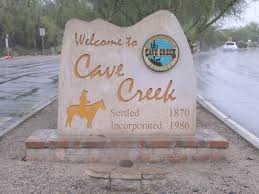
- Name a documented backup candidate from Cave Creek, Carefree, or another nearby submarket by day 45
- Keep records on every property reviewed and declined in case the three-property rule needs review with a tax advisor
Where a Thin Market Adds Time
Lenders less familiar with small-town collateral may take longer to commit terms, particularly for self-storage or single-tenant office assets without a long operating history on file. Confirming a lender's comfort with this kind of property before making an offer avoids losing days later in the process.
Seller flexibility can also vary here, since many owners are long-term local operators rather than institutional sellers accustomed to an exchange buyer's documentation pace. Asking directly about a seller's ability to produce clean financials early reduces the risk of a slow response eating into the 180-day timeline.
Holding the 180-Day Line in a Small Market
Once a Fountain Hills property is named, title, lender underwriting, and any final diligence should run in parallel from day one rather than waiting on each other sequentially, since there is little room left if a step runs long. A documented backup candidate should stay available until the replacement closing is actually complete, not merely until it is identified.
Investors should confirm proceeds and entity details with their qualified intermediary before the identification deadline, and take any question about boot exposure on a smaller-scale replacement to their own tax advisor rather than assuming the numbers will resolve on their own.
Deciding Between a Local Hold and a Backup Submarket
An investor should weigh a Fountain Hills candidate against its backup with the same seriousness given to any primary choice, since thin local inventory means either one could end up being the property that actually closes the exchange. Both deserve the same lender conversation and the same title review rather than a cursory look reserved for a fallback option.
Keeping both tracks moving at once costs more attention early on but protects the 180-day deadline if the local candidate does not clear diligence in time. The qualified intermediary should be updated as soon as either property's status changes, so the identification notice always reflects which candidates are genuinely still live. That discipline matters more in a thin market than a deep one, since there is rarely a third option waiting in reserve if both tracked properties fall through at once, and rebuilding a candidate list from scratch after day 45 is not something the exchange rules allow.
Common 1031 Exchange Questions
What kind of commercial property trades in Fountain Hills?
Neighborhood retail along the Avenue of the Fountains, small professional office, and self-storage make up most of the inventory. Industrial and large multifamily are essentially absent given the town's size and zoning.
Is there enough inventory to complete an exchange locally?
Inventory is limited, so most investors pair a Fountain Hills candidate with at least one documented backup in a nearby submarket to keep the 45-day identification list realistic.
Why might an appraisal take longer here?
With fewer local sale comparables available, appraisers sometimes need to reach into neighboring areas to support a value opinion, which can add time to the review. Confirming where the comps came from helps an investor judge how reliable the number is.
Do lenders treat small-town collateral differently?
Some do. Lenders less familiar with Fountain Hills may request additional documentation on tenant or occupancy history before committing terms, particularly for self-storage or single-tenant office, so confirming lender comfort early avoids delay.
Who holds the exchange funds and paperwork?
A qualified intermediary holds sale proceeds and prepares identification and closing documentation. Investors should confirm every figure directly with the intermediary and discuss boot exposure with their own CPA or tax advisor.