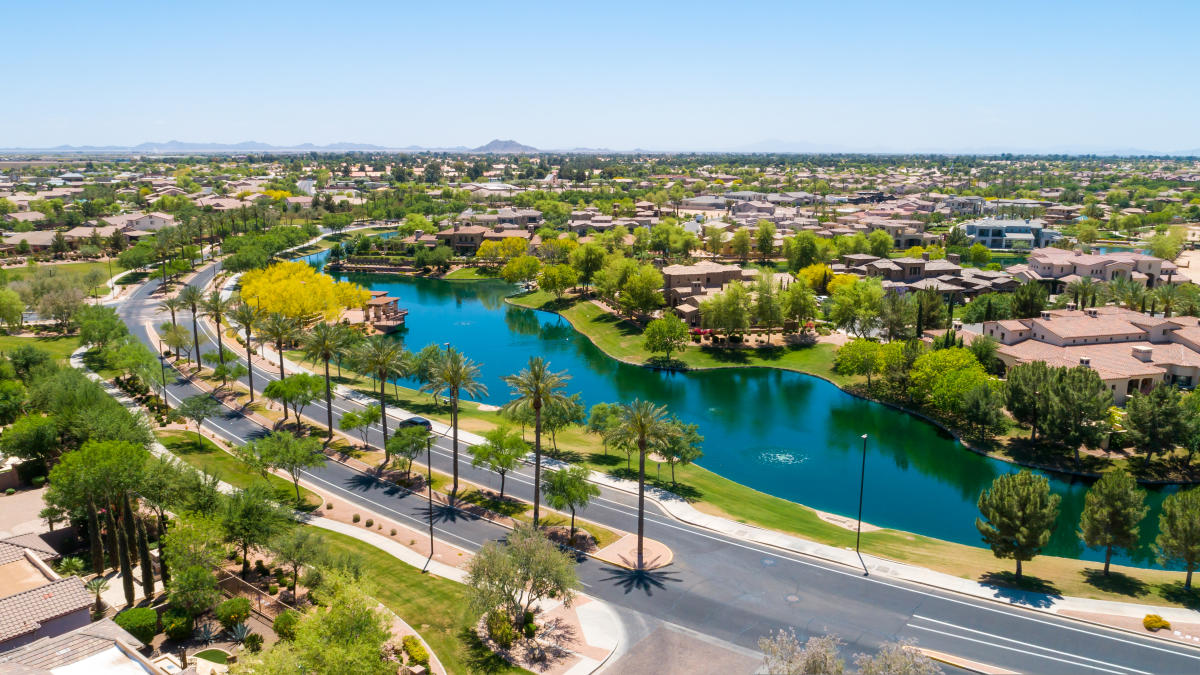
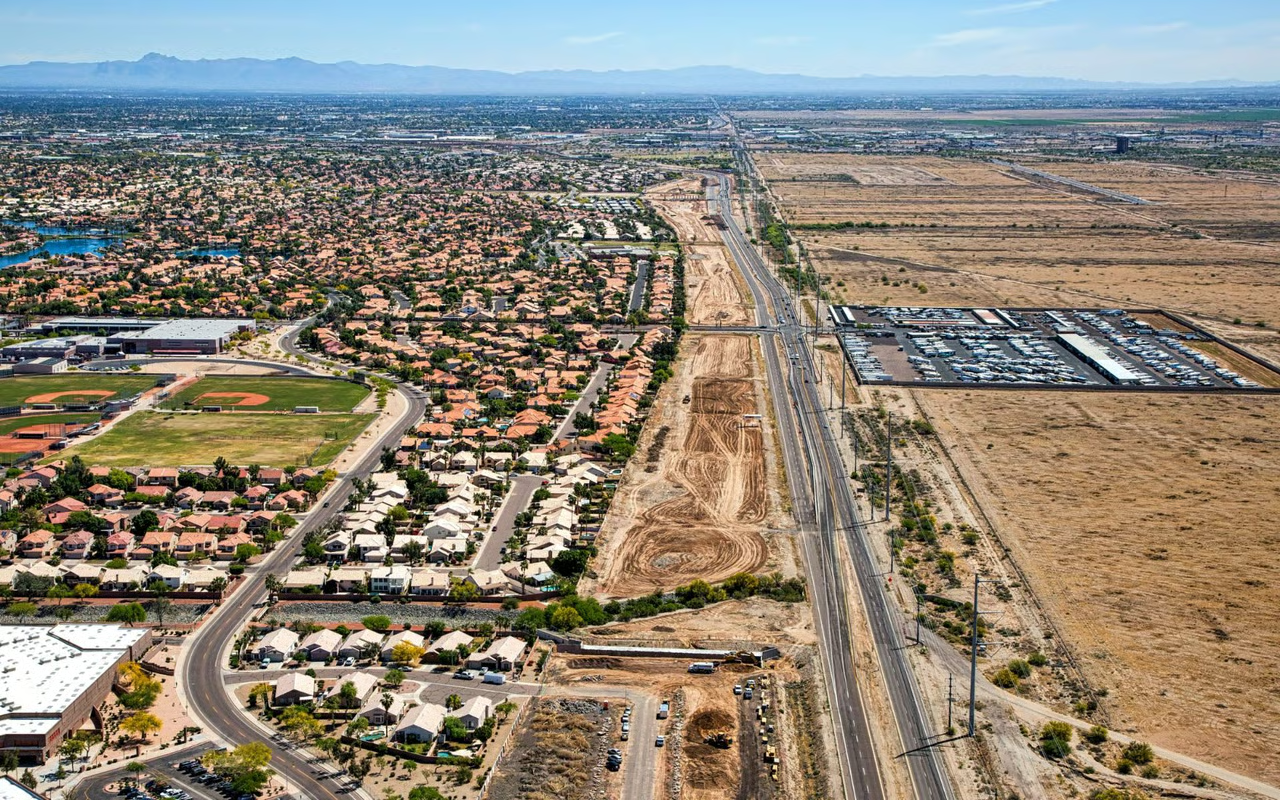
Tempe's exchange conversation is driven by Arizona State University's main campus and the density it supports — high-occupancy multifamily, student and build-to-rent housing, and mixed-use retail along Mill Avenue and Tempe Town Lake — which means underwriting speed on rent rolls matters as much as the 45-day clock itself.
Campus-Driven Multifamily And Mixed-Use Density
ASU's main campus anchors a dense multifamily market that runs from traditional student housing near Mill Avenue to newer build-to-rent and mixed-income product spreading toward Tempe Town Lake and the Loop 101/202 interchange, with corporate employers such as a regional State Farm campus adding a second, non-student demand base.
That density gives replacement buyers a deep multifamily pool, but rent rolls in student-heavy buildings run on academic-year lease cycles rather than standard twelve-month terms, which changes how income gets verified for exchange purposes.
Parking requirements and unit-mix expectations also differ across the three product types here — student housing typically needs more parking per bedroom than a build-to-rent community, and a mixed-use retail parcel near the lake carries its own separate zoning considerations — so the specific asset type has to be confirmed early rather than assumed from the general description of Tempe as a dense rental market.
Underwriting Student And Build-To-Rent Assets On A Fixed Clock
A rent roll structured around August-to-May leases needs a different review than a standard multifamily rent roll — occupancy at the start of summer can look artificially low if the reviewer doesn't account for the academic calendar, and that context gets built into the underwriting the day the property is added to the list.
Build-to-rent product, by contrast, runs on standard annual leases and underwrites more like conventional multifamily, so the two asset types inside the same Tempe search get reviewed on separate tracks rather than one blended standard.
A property that mixes both — a portion leased to students, a portion leased on standard annual terms — needs its rent roll split into the two categories for review rather than averaged together, since a blended occupancy number can mask weakness in one segment behind strength in the other.
Identification List Items Typical Of Tempe Buyers
A Tempe-anchored slate commonly includes a mix of housing types given the market's density:
- Student-oriented multifamily property near Mill Avenue
- Build-to-rent or conventional multifamily community
- Mixed-use retail parcel near Tempe Town Lake
- Backup candidate near the Loop 101/202 interchange
Each candidate's lease-cycle type — academic-year, standard annual, or retail — is noted directly on the list, so the underwriting approach for each one is clear before the lender's review begins rather than discovered mid-process.
Coordinating Rent-Roll Review With The 180-Day Close
Because academic-year leasing can distort a rent roll pulled at the wrong time of year, the review gets timed to capture a full leasing cycle or is explicitly adjusted for seasonality, and that adjustment gets documented for the lender rather than left for them to question during final underwriting.
The lender's underwriting schedule gets confirmed against day 180 the same week the property is identified, with the seasonal rent-roll adjustment already attached, so a fall closing isn't delayed by a lender questioning summer occupancy numbers for the first time three weeks before the deadline.
The same seasonal awareness applies to the relinquished-property side of a concurrent sale, since a buyer for the investor's own property may be navigating the same academic-calendar effects on comparable Tempe assets, and both sides of the transaction get scheduled with that timing in mind.
Documenting Lease-Cycle Assumptions For The Advisor's File
Whatever adjustment gets made to a Tempe rent roll for academic-year seasonality should be written down and explained, not only applied silently to a spreadsheet, so the investor's advisor and the lender are looking at the same assumptions rather than two different interpretations of the same raw numbers.
That written explanation becomes part of the permanent exchange file, useful both for the current closing and for any future review of how the replacement property's income was underwritten.
Common 1031 Exchange Questions
Why does Tempe rent-roll review need special handling?
Student-heavy multifamily buildings lease on an academic-year cycle, so occupancy pulled during the summer can look artificially low, and that context has to be built into the underwriting rather than left for the lender to question late in the process.
Is build-to-rent housing underwritten differently from student housing in Tempe?
Yes — build-to-rent product runs on standard annual leases and underwrites more like conventional multifamily, so it gets reviewed on a separate track from academic-year student housing within the same search.
What non-student demand exists in the Tempe multifamily market?
Corporate employers near the Loop 101/202 interchange, including a regional State Farm campus, support conventional multifamily demand alongside the ASU-driven student and build-to-rent housing.
How does Tempe Town Lake factor into a replacement search?
The mixed-use retail and residential development along the lake adds a non-residential option to the identification list beyond straight multifamily, broadening the pool for investors who want retail exposure.
What happens if a Tempe rent roll is pulled at the wrong time of year?
It gets flagged and re-pulled or adjusted for seasonality before it goes to the lender, since an unadjusted summer rent roll on a student-heavy building can misstate occupancy enough to affect financing terms. Fixing that early keeps the fall closing date from slipping over a documentation gap that could have been caught in week one.