Paradise Valley is worth being direct about: strict low-density zoning and resort-corridor estate housing leave very little commercial inventory, so exchange work here is honest about scarcity from the first conversation rather than promising a deep property pool that doesn't exist.
A Zoning-Constrained, Low-Density Commercial Footprint
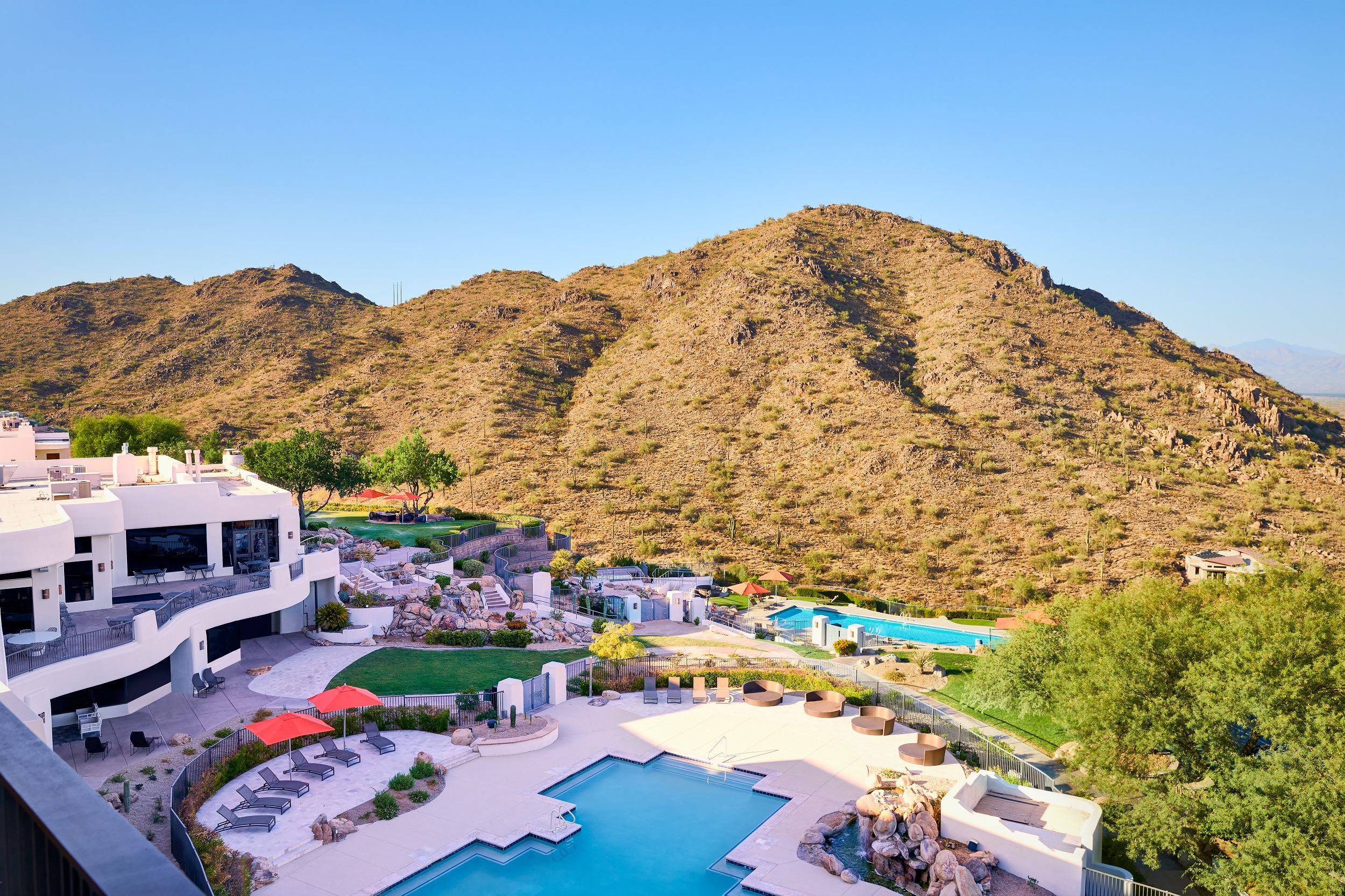
Paradise Valley's incorporation as its own town, wedged between Phoenix and Scottsdale beneath Camelback and Mummy Mountain, comes with zoning that limits commercial development to narrow bands along Tatum Boulevard, Lincoln Drive, and the Scottsdale Road edge — mostly boutique medical and professional office suites serving the surrounding resort and estate-home population.
The resorts along the Camelback corridor are not typical 1031 replacement targets for most individual investors given their scale and operating complexity, so the realistic commercial pool is smaller still, concentrated in those narrow professional-office bands.
Even within the narrow commercial bands that do exist, individual parcels can carry additional use restrictions tied to their original approval, layered on top of the town's already restrictive baseline zoning, so a property that looks like a fit on a map still needs its specific entitlement history checked before it goes on the list.
Why Sourcing Here Takes Longer Than 45 Days Alone
With so few qualifying buildings, a Paradise Valley search can't rely on the local market alone to fill an identification list — the honest approach is to treat any available Paradise Valley property as one candidate among several, sourced alongside comparable office or professional space in adjacent Scottsdale submarkets from day one.
That means the search radius gets set wider than in a denser submarket right from the start of the 45-day window, rather than narrowing to Paradise Valley alone and discovering the shortage with only two weeks left.
That wider radius is not a downgrade from a Paradise Valley-specific search — a well-underwritten professional office building in an adjacent Scottsdale corridor with clean entitlements is a stronger replacement than a scarce Paradise Valley parcel with an unresolved zoning question, and the plan should say so plainly rather than treating any in-town listing as automatically preferable.
Realistic Identification List Composition For Paradise Valley
A Paradise Valley-anchored slate is built to acknowledge scarcity rather than around it:
- Boutique medical or professional office suite along Tatum or Lincoln
- Backup professional office in an adjacent Scottsdale corridor
- DST allocation sized for the remaining proceeds
That third item isn't a fallback added as an afterthought — it's built into the plan from the start precisely because the first two items alone may not clear the full exchange proceeds given how little Paradise Valley commercial inventory actually exists.
Coordinating With Advisors When Inventory Is Thin
When the local pool is this small, the investor's tax advisor needs to be looped in earlier than usual on whether a DST allocation or an out-of-submarket property makes more sense than waiting for a Paradise Valley listing that may not appear in time — that conversation happens in week one, not week five.
The identification notice gets drafted to name backup candidates outside Paradise Valley explicitly, so the exchange isn't riding on a single scarce listing clearing escrow inside the 180-day window.
If a genuine Paradise Valley opportunity does surface, it still goes through the same underwriting discipline as anywhere else — lease abstract, title check, and financing read the day it's flagged — scarcity is a reason to widen the search, not a reason to skip diligence on the properties that do turn up.
Documenting The Decision Trail For A Thin-Inventory Search
Because the search radius extends beyond Paradise Valley itself, the file should document why each out-of-town candidate was included — proximity, asset type, tenant quality — so the reasoning is clear to the advisor and, if needed, to anyone reviewing the exchange later.
That documentation matters more here than in a dense submarket, since a thin-inventory search can otherwise look arbitrary from the outside even when the underlying logic was sound.
Common 1031 Exchange Questions
Is Paradise Valley a realistic 1031 replacement target?
It can be for a narrow slice of boutique medical or professional office property, but the town's low-density zoning limits inventory sharply, so it should be treated as one candidate among several rather than the sole focus of the search.
Why would a Paradise Valley exchange search look outside the town?
With so few qualifying commercial parcels, the search radius gets widened into adjacent Scottsdale submarkets from the start of the 45-day window, rather than narrowing to Paradise Valley alone and risking a shortage discovered too late.
Are the resort properties in Paradise Valley viable 1031 targets?
Generally not for individual investors — their scale and operating complexity put them outside the typical replacement-property profile, so the realistic commercial pool sits in the smaller professional-office bands along Tatum and Lincoln.
When should a DST allocation be considered for a Paradise Valley exchange?
That conversation should start in week one with the investor's tax advisor if local inventory looks thin, rather than waiting until later in the window when there's less time to arrange an alternative.
Does zoning affect how fast a Paradise Valley property can close?
Zoning mainly affects what's available to buy rather than closing speed itself, but any use variance or conditional-use history on a given parcel still needs the same title and permit review as elsewhere before it goes on the identification list.